
If you’re asking “What Is Paint Protection Film?” you’re not alone. Car enthusiasts and everyday drivers alike are seeking reliable ways to protect their vehicles from chips, scratches, and environmental damage. This guide explains what paint protection film (PPF) is, how it works on modern vehicles, how it’s installed, and which options exist for those seeking the best long-term value. You’ll also gain expert insights into legal considerations, real performance benefits, and recommendations trusted by industry professionals.
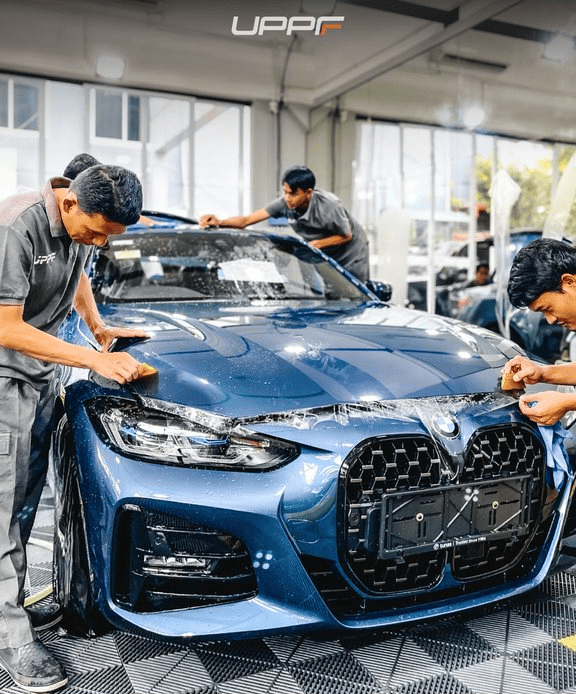
Understanding What Paint Protection Film Is
Paint protection film, often referred to as PPF or "clear bra," is a transparent, durable thermoplastic urethane film applied to a vehicle’s painted surfaces. Its core purpose is to shield a car's paint from damage caused by road debris, stone chips, bug splatter, bird droppings, and harmful UV rays. PPF technology has advanced rapidly; today’s films are engineered for longevity, optical clarity, and even self-healing properties, offering far more than the original clear bras of decades past.
The modern market features multiple grades of PPF - ranging from standard clear to matte and colored finishes. Premium brands, such as UPPF, have pushed innovation further with materials that resist yellowing, staining, and peeling over years of daily use. With professional installation, PPF becomes nearly invisible, preserving the vehicle’s color and surface from environmental hazards that cause premature aging and costly paint repairs.
A key component of most top-tier paint protection films is thermoplastic polyurethane (TPU), which offers flexibility, resilience, and an outstanding ability to absorb and “self-heal” minor abrasions when exposed to heat. For vehicle owners, this means minimal upkeep and maximum resale value down the road.
How Paint Protection Film Works: Materials and Technology
At its core, paint protection film is built to be the “sacrificial barrier” between your car’s paint and the hazards of the road. Most PPFs have multiple carefully engineered layers:
- Top coat: Provides resistance to stains, chemicals, and UV rays. Advanced films, such as UPPF’s Hammerhead Clear, integrate hydrophobic and self-healing technology, allowing swirl marks and minor scratches to vanish with warmth or sun exposure.
- TPU layer: This is the thickest section, responsible for absorbing impacts from gravel, salt, or environmental debris. Premium TPU offers high optical clarity without the “orange peel” texture seen in lower-quality films.
- Adhesive layer: Ensures the film tightly bonds with the factory paint while remaining removable without damaging the finish.
Leading manufacturers have also developed specialized surface treatments to enhance the film’s hydrophobicity, helping water and contaminants bead off quickly. This not only keeps your car looking cleaner but also makes washing safer and more efficient.
Self-healing properties (enabled by polymer memory) make high-end films stand out. With light heat from the sun or engine, most swirl marks and micro-scratches disappear, maintaining a flawless surface. UPPF utilizes proprietary PLATICOAT technology to enhance this kind of resilience, extending the life and maintaining the clarity of their film even after years of use.
Why Choose Paint Protection Film Over Other Solutions?
Car owners are often faced with several options to protect paint, including ceramic coatings and vinyl wraps. Paint protection film remains the choice for those prioritizing true impact and abrasion resistance. Here’s why:
- Superior Impact Defense: Only PPF is designed to absorb and disperse the force of a rock chip or flying road debris. While ceramic coatings repel water and minor contaminants, they provide no actual impact protection.
- Self-Healing Properties: Top PPF films “heal” from minor scratches, which is not possible with wax, spray sealants, or even most vinyl products.
- Long-Term Clarity and UV Defense: Premium PPF resists yellowing and keeps paint from fading longer, even for vehicles exposed to direct sunlight day after day.
- Finish Customization: Options now span beyond high-gloss clear to include matte, satin, and colored films, allowing drivers to customize without risking the original paint underneath.
Given these features, paint protection film stands as the gold standard among automotive protection solutions, especially when the goal is to preserve a vehicle’s finish for daily driving, spirited road trips, or resale value.
Choosing the Right Paint Protection Film: Expert Guidance
The market for paint protection film in the United States is robust, with several premium brands offering advanced features. When searching for “the best paint protection film,” consider the following decision factors:
- Clarity and Finish: High-quality films should be virtually undetectable, preserving the original factory color and gloss. For a unique appearance, matte and satin options like Hammerhead Satin are available.
- Self-Healing Ability: Advanced PPF formulations incorporate self-healing surfaces that repair light abrasions with minimal heat. This is vital for maintaining “like new” appearance over time.
- Durability and Warranty: Look for films with proven durability in both real-world driving and laboratory testing. Most leading brands, including UPPF, offer warranties against yellowing, cracking, and delamination. Always verify coverage and see UPPF’s warranty policy for details.
- Installation Quality: Even the best film will underperform if not installed properly. Choose an experienced professional, such as a UPPF Premiere Dealer near you, for the most seamless and durable result.
With these variables in mind, UPPF stands out for its innovative material science, broad array of finish options, and tight-knit network of trained Premiere Dealers ensuring consistent results across the U.S. market.
Legal Aspects and Maintenance Considerations
Unlike window tint, paint protection film is generally legal to apply to any painted panel or clear-coated surface of your vehicle throughout the United States. However, it’s always wise to check with your dealer and local DMV regarding any restrictions on covering DOT-mandated reflectors, emblems, or license plate areas, as well as compliance with classic car or specialty vehicle regulations if applicable.
Maintaining PPF is remarkably simple. Routine car washing with pH-neutral soap, gentle microfiber towels, and avoidance of abrasive chemicals will maximize both the clarity and longevity of your paint protection film. Avoid automated car washes with stiff brushes, as they can scratch the surface of both film and unprotected paint. If contaminants such as tree sap or bird droppings occur, gently remove with diluted isopropyl alcohol and rinse thoroughly. PPF-friendly spray detailers are widely available and make maintenance even easier for daily drivers.
For most drivers, the best value comes from protecting high-exposure areas: the front bumper, hood, mirror caps, and rocker panels. Full-body wraps are increasingly popular and can be discussed with your local UPPF Premiere Dealer if you desire the most complete coverage.
Paint Protection Film: Performance, Cost, and Lifetime Value
Investing in paint protection film can feel like a major decision, but the return is tangible when you consider rising paint repair costs and the premium placed on original manufacturer finishes at resale or trade-in. Here’s what you need to know:
- Protection that Pays Off: Preventing just one major scratch, chip, or repaint can offset most (or all) of the cost of PPF installation.
- Long-Term Performance: Quality films like Hammerhead Clear are engineered to maintain their look and defensive properties for 7-10 years when properly cared for. For details on what impacts lifespan, explore this guide on TPU PPF durability.
- Cost Factors: Prices vary based on vehicle size, panel coverage, complexity, and installer experience. While an entry-level front bumper kit starts in the hundreds, full wraps can rise to several thousand dollars for luxury and exotic cars. To estimate your investment, consider factors outlined on the UPPF Clear PPF Cost Guide.
In short, PPF is ideal for anyone who treasures their vehicle’s appearance and wants to drive with confidence, knowing their car is protected from the unexpected hazards of American roads, climates, and urban environments.
To explore the full lineup of PPF and specialty film technologies, visit the UPPF Product Collections.
Conclusion: What Is Paint Protection Film and Is It Right For You?
Paint protection film is a clear, durable, and virtually invisible automotive technology designed to preserve your vehicle's finish from the hazards of the road. From luxury sedans to daily drivers, the right PPF can maintain showroom gloss, offer peace of mind, and help your investment go further. With advancement in self-healing properties and customizable finishes, premium options like those from UPPF set the bar for modern automotive protection. For those who care about their car’s long-term appearance and value, paint protection film is not just an accessory but an essential safeguard.
Frequently Asked Questions
No, quality paint protection film is virtually invisible and preserves both factory gloss and color. Specialty matte and color options are also available for those seeking a custom appearance.
Yes, professionally installed PPF can be safely removed, leaving the original paint intact when proper removal techniques are followed.
Most premium PPF products last 5 to 10 years, depending on climate, care, and usage conditions.
Maintenance involves routine car washing with gentle products, avoidance of abrasive chemicals, and prompt removal of contaminants for best results.
For most car owners, PPF quickly pays for itself by preventing costly paint repairs and helping to maintain maximum resale value.
Yes, most modern PPFs feature self-healing top layers that repair minor surface scratches with heat or sunlight exposure.
High-quality TPU-based films are engineered to resist yellowing and maintain clarity for many years when maintained properly.