
The condition and resale value of any vehicle is directly impacted by the presence and severity of scratches. Understanding the different types of car scratches is essential for every driver interested in automotive appearance, whether their concern is daily bumps, protection options, or repairs. In this complete guide, we explore the science behind car scratches, key insights on prevention, modern repair strategies, and the role of advanced protection technologies like paint protection film in maintaining showroom-level finishes.
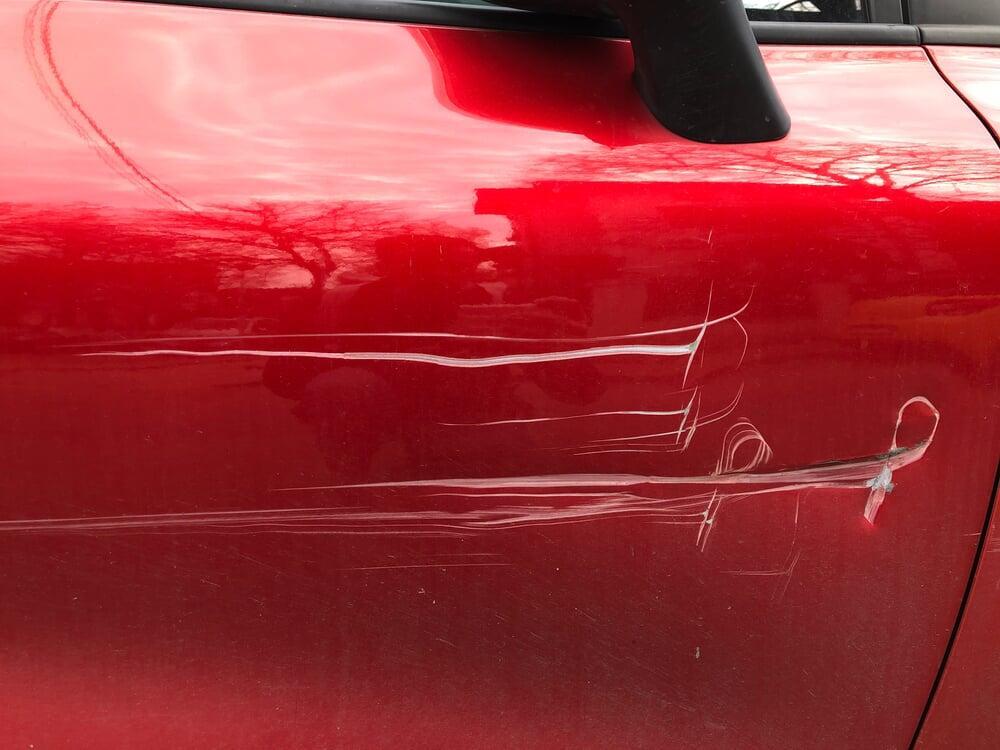
What Are Car Scratches? Decoding the Layers of Damage
At its core, a car's exterior is a sophisticated, multi-layered system designed for durability, brilliance, and protection. Most vehicles have, at minimum, a clear coat, a colored base coat, a primer, and the metal body. Understanding which of these layers is affected by a scratch is crucial, as it determines both the visual impact and the appropriate response.
- Clear Coat: The transparent outer shield designed to absorb environmental and minor physical damage.
- Base Coat: The colored layer providing the vehicle’s visual character. Damage here often means the scratch is deeper and harder to resolve.
- Primer: A preparatory layer that ensures paint adhesion and corrosion resistance. Breaches can expose the metal and increase rust risk.
- Metal Body: When scratches reach the metal, repairs become far more costly and urgent to prevent structural or cosmetic deterioration.
A professional paint repair specialist or an automotive protection dealer can quickly identify the scratch type and recommend suitable paint protection options, including high-performance paint protection film (PPF) from UPPF.
The Main Types of Car Scratches
Not all car scratches are created equal. From faint swirl marks to deep gouges, each type requires a different approach - and protection strategy. Here’s a breakdown of the most common automotive scratch types:
- Clear Coat Scratches: These are minor surface abrasions that affect only the transparent top layer. Often caused by improper washing, dust, or contact with soft branches, they typically manifest as hazing or swirl marks.
- Base Coat Scratches: More serious than clear coat scratches, these penetrate deeper and expose the underlying color. Run a fingernail over the scratch: if it catches, there is a higher chance that the base coat is damaged.
- Primer Scratches: At this stage, the scratch has breached both the clear and base coats, reaching the primer. The area may appear dull and sometimes off-color. Neglecting this level of scratch can lead to metal exposure and corrosion over time.
- Deep Paint Scratches (to Metal): These severe scratches penetrate all protective layers, exposing bare metal. Typical causes include keys, sharp objects, severe impacts, or accidents. Immediate attention is required to avoid rust and more extensive repairs.
Swirl marks, often grouped with clear coat scratches, are especially common on black and dark-colored paints. They are usually a result of automatic car washes, harsh towels, or debris.
Repair Options and Costs for Different Scratch Types
The right repair method for a car scratch depends on its severity and which paint layer is affected. Here’s how various scratch types are typically addressed, along with factors that affect cost:
- Clear Coat Scratches:
- Often removed by DIY polishing, light buffing, or swirl mark removers.
- Professional detailing services can restore clarity for $50 to $200 per panel, depending on location and vehicle type.
- Base Coat Scratches:
- Require touch-up paint or spot repair.
- Costs can range from $150 to $400 per affected area, depending on paint matching and finish requirements.
- Primer and Deep Paint Scratches:
- Generally need paint filling, sanding, and possibly re-spraying the affected area.
- Repairs often exceed $400 and can rise notably if body work or color blending is necessary.
A key insight: proactive protection, like a premium paint protection film from UPPF, can prevent most scratches from ever reaching the paint or metal, potentially saving thousands in long-term maintenance and repair costs.
Proactive Protection: How Paint Protection Film Shields Against Scratches
With rising awareness around car paint longevity, many drivers now turn to automotive coatings and films for true peace of mind against scratches. Paint protection films, such as the UPPF Hammerhead Clear, set the industry standard for invisible armor.
- Multiple Layers of Defense: UPPF films use advanced Lubrizol thermoplastic polyurethane (TPU) engineered to absorb and self-heal minor abrasions from gravel, brushes, and everyday contact.
- Hydrophobic and Stain Resistant: Modern PPF repels water, dirt, and chemical stains, minimizing the risk of new scratches from debris dragged across the paint during cleaning.
- Invisible Protection: High clarity means your car’s color and gloss shine through, with added options for satin or matte finishes for unique styling.
Investing in a premium PPF means minor clear coat scratches and swirls are rarely an issue. Even common hazards like rock chips and parking lot dings are blocked by the protective layer, so your underlying paint stays pristine.
Learn more about all UPPF protective solutions on the UPPF Product Collections page.
Expert Tips to Prevent and Respond to Car Scratches
Prevention and informed response are key for every vehicle owner who wants to avoid the frustration and expense of paint repair. Here are actionable strategies recommended by professional detailers and automotive protection experts:
- Always use a soft, clean microfiber towel when washing and drying your car to reduce the risk of surface abrasions.
- Park away from shopping carts, bicycles, and tight urban spaces whenever possible to minimize exposure to potential scratch hazards.
- Apply a high-end PPF, such as UPPF Hammerhead Clear, to high-touch areas (hood, bumpers, door edges) for maximum coverage.
- Avoid automatic car washes with stiff brushes. Opt for hand washing or touchless systems instead.
- If a scratch does occur, assess it in bright light. Shallow marks may buff out, but deeper ones need professional evaluation before attempting DIY repair.
UPPF Premiere Dealers across the United States offer expert installation of advanced protection films, ensuring the highest quality coverage for your vehicle. Find a UPPF Premiere Dealer near you for personalized protection options and guidance tailored to your car’s needs.
Conclusion: Making Smart Choices About Types of Car Scratches
From light swirl marks to deep paint gouges, understanding the key types of car scratches helps you choose the best repair and prevention solutions. Premium paint protection - like cutting-edge PPF from UPPF - empowers drivers to guard against the majority of everyday damage before it becomes an expensive problem. For long-term peace of mind, prioritize both safe car care habits and advanced protective products designed for the modern automotive enthusiast.
Frequently Asked Questions
Examine the depth and color of the scratch; clear coat scratches are superficial, while deeper scratches expose color, primer, or even metal.
Yes, swirl marks are fine, circular scratches on the clear coat typically caused by improper washing or drying techniques.
Paint protection film is highly effective at stopping minor to moderate scratches but may not prevent deep gouges from severe impacts.
Deep scratches that reach the primer or metal are best repaired by a professional to ensure lasting paint quality and rust prevention.
This suggests the scratch has reached bare metal, allowing moisture to corrode the surface and requiring urgent repair.
Light clear coat scratches can often be polished out using fine compounds and proper buffing techniques.
Insurance may cover scratch repair if the damage is caused by a covered incident, but minor scratches are often below deductible limits.