
When it comes to automotive paint protection, a common question drivers ask is: does PPF protect against rock chips? With highways filled with gravel, daily city traffic, and unpredictable road debris, it’s a crucial concern for anyone who cares about keeping their vehicle looking flawless. This article provides a clear explanation of how paint protection film (PPF) works to guard against rock chips, explores what sets premium brands like UPPF apart, and offers advice tailored for U.S. car owners seeking both practical and legal protection for their vehicle’s paint.
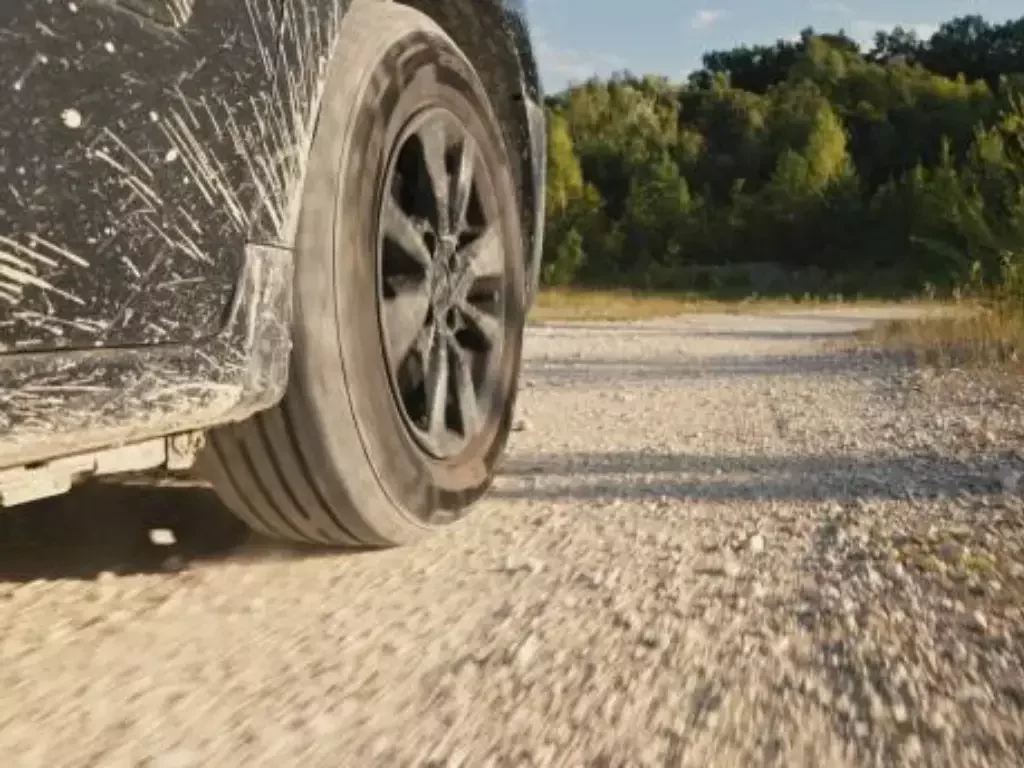
How Does PPF Defend Against Rock Chips?
Paint protection film is engineered to absorb and disperse the impact energy from small stones, gravel, and other debris that vehicles face on the road. A typical premium PPF is constructed with multiple flexible layers - most notably a robust thermoplastic polyurethane (TPU) base - which creates a sacrificial shield over the paintwork. The film’s elasticity allows it to flex at the moment of contact, preventing many rock chips from penetrating through to the underlying paint.
- TPU-based construction: Delivers resilience and shock absorption, particularly effective at cushioning the paint against sharp impacts.
- Self-healing properties: Minor scuffs and light scratches disappear with warmth, keeping the surface consistently fresh and chip-free.
- Hydrophobic coating: Repels grime and water, reducing the risk of debris sticking to the film and causing further scratches.
Not all PPF films are equal - thickness, material quality, and topcoat technology make a significant difference in protective performance. Premium films such as UPPF Hammerhead Clear utilize an advanced composite structure and cutting-edge top coats for superior protection, clarity, and longevity.
Where Is PPF Most Effective Against Rock Chips?
To maximize PPF’s benefits, it’s critical to understand where your vehicle is most vulnerable to rock chips:
- Front bumper and hood: These high-impact zones bear the brunt of stones thrown up by your own tires or traffic in front.
- Fenders and side mirrors: Side-facing surfaces tend to get peppered by gravel, especially at highway speeds.
- Door edges and rocker panels: Lower portions of the vehicle are susceptible to debris spun up by tires from adjacent lanes.
Full-front applications (covering the entire hood, bumper, and mirror caps), or even extending to a full-body wrap for enthusiasts, offer comprehensive protection. A professional installer - such as a UPPF Premiere Dealer - can custom-fit the film for optimal coverage, ensuring vulnerable edges and leading surfaces are shielded for maximum defense against rock chips.
What Makes a Premium PPF Brand Stand Out?
Choosing a premium PPF brand is about more than just transparency and gloss - it’s about advanced protection, durability, and seamless finish. Brands like UPPF set themselves apart by leveraging scientific advances in polymer blending, adhesive technology, and self-healing coatings for next-level stone chip defense.
- Proprietary multi-layer structure: Films like UPPF Hammerhead Clear use a nano-coating and a TPU core, both engineered for high impact absorption and stain resistance.
- UV and chemical resistance: Top brands ensure the film won’t yellow, haze, or crack under harsh sunlight or after years of exposure to road salt and bug acids.
- Minimal edge lift and discoloration: Superior adhesives and laser-cut patterns prevent lifting at corners - a common cause of premature chip formation.
- Consistent protection, even in harsh climates: Premium films are designed to remain flexible during extreme temperature swings, maintaining chip resistance from winter to summer.
UPPF’s attention to detail such as their patented PLATICOAT™ technology, ensures that the film’s surface rebuffs chips and scuffs with a smooth, nearly invisible finish. This engineering gives U.S. drivers additional peace of mind beyond the capabilities of basic film solutions.
Legal and Practical Considerations for PPF in the U.S.
Paint protection film is legal to install on vehicles throughout the United States, and it does not interfere with vehicle registration or inspection requirements. While no state or federal laws specifically prohibit the use of PPF for protecting against rock chips, it is essential to ensure:
- The film is installed professionally with no bubbling or discoloration, which could be flagged in vehicle inspections.
- Headlights, taillights, and license plates remain clear and unobstructed (some states regulate tint or coatings on these components).
- The film is compliant with warranty terms, both from your vehicle manufacturer and your chosen PPF provider.
Leading suppliers offer warranties that specifically cover rock chip protection, yellowing, peeling, and adhesive failure for several years when installed by their partners. UPPF, for instance, offers a straightforward warranty statement that supports confidence in their film’s ability to safeguard your paint from road wear. It’s smart to review warranty policies and talk to a local installation expert if you have any doubt about legal or insurance implications.
Expert Recommendations: Maximizing PPF’s Protection
For drivers who frequently travel on highways, live in areas with rough winters, or own a cherished new vehicle, paint protection film is a smart investment for defense against rock chips. Experts generally suggest:
- Choose a high-quality PPF: Opt for products engineered with TPU and self-healing coatings for robust, long-lasting results.
- Select certified-grade installers: Rely on experienced professionals such as a UPPF Premiere Dealer who use precise plotting systems and can advise on the ideal coverage areas.
- Maintain your PPF: While the film is rugged, regular gentle washing and occasional inspection for edge lifting or contaminant buildup help preserve effectiveness.
- Consider full-front or high-impact area coverage: Target the hood, bumper, fenders, mirrors, and rocker panels for the highest return on investment in chip resistance.
A properly installed premium PPF not only prevents most rock chips but also maintains the car’s resale value and showroom shine for years. UPPF, alongside other elite film products, provides assurance that your car’s finish remains pristine under real-world driving conditions.
Conclusion: Does PPF Protect Against Rock Chips in Real Life?
To answer the question "does PPF protect against rock chips?", the evidence is clear: high-quality paint protection film forms an invisible barrier that dramatically reduces the risk of chips, scratches, and damage from everyday road hazards. While no solution offers absolute invincibility, PPF, especially from a trusted name like UPPF, is uniquely engineered for this specific threat. By investing in advanced film technology and professional installation, U.S. car owners can drive with confidence knowing their vehicle’s paint is shielded against one of the most persistent dangers of the road.
Ready to discover the advantages of today’s most advanced paint protection films? Explore the UPPF Product Collections and see why top PPF solutions are the smart choice for rock chip defense.
Frequently Asked Questions
While PPF greatly reduces the risk of rock chips, extremely large or sharp debris at high speed may still cause damage. PPF absorbs most everyday impacts but is not invincible.
Most premium PPFs offer protection at 7-8 mil thickness, balancing clarity and impact resistance. Thicker films can offer enhanced defense but may affect appearance.
Quality PPF is designed to resist yellowing, peeling, and bubbling when properly maintained and installed, especially with advanced top coats.
Modern PPF works on all colors and paint types, including matte and satin finishes, without altering the original appearance if installed correctly.
DIY kits are available, but professional installation is highly recommended for optimal fit, durability, and appearance, especially on complex surfaces.
PPF can be washed and waxed like regular paint, though gentle soaps and soft mitts are preferred. Waxing may enhance shine but is not required for protection.