
If you’ve been researching how to keep your vehicle looking flawless, you’ve undoubtedly come across paint protection film cost as a critical consideration. As automotive enthusiasts and daily drivers alike search for reliable ways to shield their vehicles from chips, scratches, and environmental wear, understanding PPF pricing, its return on investment, and what influences the total expense is essential. This comprehensive guide covers the price factors, benefits, real-world cost ranges, and smart strategies to ensure you’re choosing the right protection - both for your car and your wallet.
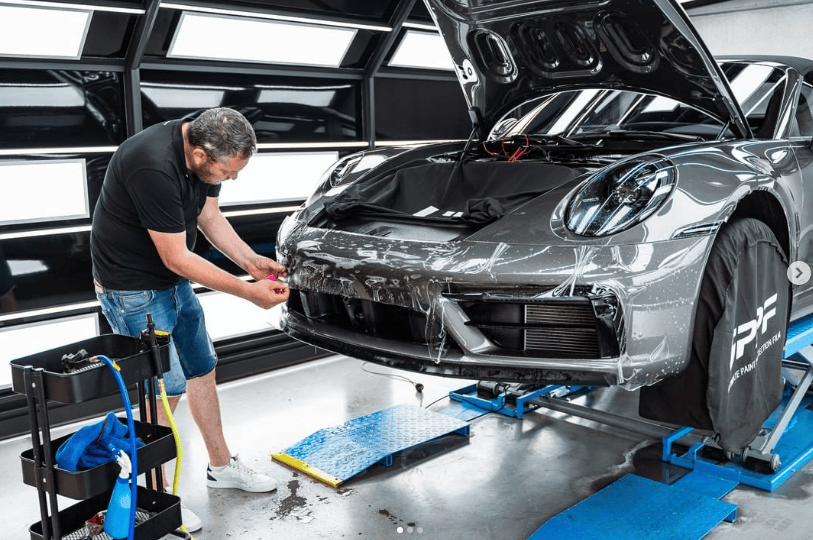
What Influences Paint Protection Film Cost?
PPF pricing isn’t one-size-fits-all. Multiple variables determine how much you’ll pay to have paint protection film installed on your vehicle. These influencing factors include:
- Vehicle size and complexity: Larger vehicles or those with intricate curves, aggressive bodywork, or complex trim require more film and labor.
- Coverage area: “Partial front,” “full front,” and “whole-car” packages carry different costs, depending on how much of your paint you want protected.
- Film quality and technology: Advanced films with self-healing, hydrophobic (water-repelling), or anti-yellowing properties tend to cost more but offer longer-lasting results.
- Finish options: Gloss, matte, satin, and specialty colored films each have distinct pricing tiers.
- Labor and location: The expertise of your installer and regional labor rates influence total pricing.
For instance, a premium film like UPPF HAMMERHEAD Pro uses advanced TPU technology to offer self-healing and high optical clarity - premium characteristics that impact price but also deliver long-term value for vehicle owners.
Typical PPF Cost Ranges (U.S. Market)
So, how much does PPF really cost? While exact prices vary from city to city and brand to brand, here’s what most drivers can expect for professional installation using reputable automotive paint protection films:
- Partial front coverage (hood, fenders, mirrors, front bumper):$900–$1,500
- Full front coverage (hood, fenders, mirrors, bumper, lights):$1,800–$2,500
- Full vehicle wrap:$5,000–$8,000+
Matte or satin finishes, color-shift effects, or custom pattern installs often command additional fees. Costs are also influenced by your local market and the skill of the Premiere Dealer performing the work. Tempted by a lower price? Remember, with PPF, choosing high-quality materials and expert installation is the best way to ensure you benefit from years of reliable protection and visual appeal.
For more detailed product options and coverage, check out this PPF cost calculator to see live estimated pricing range based on your needs.
Top Benefits That Justify the Investment
Why consider paying for a premium paint protection film? The wide range of paint protection film benefits goes far beyond its initial look. When you opt for trusted films like HAMMERHEAD Pro by UPPF, you can expect:
- Rock chip and scratch resistance: Prevents unsightly and expensive paint damage from everyday driving hazards.
- UV and stain protection: Guards against fading and discoloration from sun exposure and environmental contaminants.
- Self-healing technology: Minor swirls and scratches vanish with heat from sunlight or the engine, keeping your car looking new.
- Invisible finish: Advanced films deliver protection without altering your car’s original color or finish (unless you choose a color or matte option).
- Higher resale value: Maintains factory paint in optimal condition, which translates into stronger trade-in or private sale prices.
By weighing these advantages against paint protection film cost, most drivers discover that PPF is an investment that can avert thousands in future paint correction and bodywork.
How to Get the Best Value from Your PPF Investment
Regardless of the price paid, maximizing paint protection film value comes down to smart preparation and aftercare. Here’s how to make the most of your investment:
- Research film technologies: TPU-based films like those from UPPF are renowned for their durability and self-healing properties; avoid outdated or generic films with lower resilience.
- Choose a reputable Premiere Dealer: Seek out experienced professionals who follow advanced application techniques to minimize seams and ensure flawless fitment. Use resources like the UPPF Premiere Dealer locator to find trusted partners in your area.
- Assess your driving environment: If you commute on highways, travel through construction zones, or frequently park outdoors, prioritize extended coverage to protect vulnerable paint areas.
- Maintain your film: Use compatible wash products and soft cloths; avoid abrasive polishes. Longevity tips from your installer will help keep the film in peak condition.
- Understand warranty terms: Read through warranty policies to see what’s covered and how long your film’s protection lasts, particularly if you plan to own your car for several years.
Taking these steps ensures you benefit not only from the immediate aesthetics of PPF, but also from genuine long-term savings on paint repair.
Is Paint Protection Film Cost Worth It? A Realistic Perspective
Many drivers wonder if investing in high-grade PPF is sensible for their specific car and lifestyle. While professional paint protection films do require an upfront expense, several factors make PPF a cost-effective option for a wide range of vehicles:
- Modern clear bras safeguard your car’s original paint, saving you from costly resprays following minor accidents or accumulative wear.
- Premium films often last 5–10 years, meaning the annualized cost may be less than frequent paint touch-ups, especially on daily-driven or luxury vehicles.
- On leased vehicles, protection from chips and scratches can mean avoiding lease-end damage fees.
- Stylish finishes (such as matte or colored PPF) offer the flexibility to update your car’s look while maintaining protective benefits.
If you value your vehicle’s appearance, plan to keep your car for several years, or want to maintain peak resale or trade-in value, paint protection film cost is almost always justified by the protection and peace of mind it brings.
Frequently Asked Questions
High-quality PPF like UPPF’s Hammerhead series typically lasts 5–10 years with proper care and maintenance.
Clear PPF is designed to be virtually invisible and does not alter the original color, although matte or color PPF can intentionally change the finish.
PPF is semi-permanent; it can be removed without damaging your paint if you choose to change or replace it later.
DIY kits are available, but professional installation is strongly recommended for best results and long-term durability.
PPF is a physical, urethane-based barrier against chips and scratches, while ceramic coatings offer chemical resistance and easier cleaning. They can be used together for enhanced protection.
It is ideal to correct paint blemishes before installation, as PPF may magnify or simply seal in flaws present on the surface.
Use pH-neutral soaps, microfiber towels, and avoid abrasive cleaners to preserve the film’s clarity and self-healing properties.
In summary, understanding paint protection film cost helps you make a confident, informed decision to protect your vehicle’s appearance and value. While the initial expense can be substantial, PPF delivers exceptional automotive protection that pays off over the life of your car.