
Is 5% Tint Too Dark? Complete Guide for Car Owners
If you are thinking about window tint for your vehicle, you may be wondering: is 5% tint too dark? This question comes up often among car enthusiasts and daily drivers alike. Whether you want extra privacy, a sleek look, or top-tier heat rejection, 5% window tint carries both appeal and controversy. In this guide, we’ll break down what 5% tint actually means, compare it to other options, cover legal rules in the United States, discuss the pros and cons, and share expert recommendations using premium brands like UPPF. By the end, you’ll have a clear answer tailored to your driving needs.
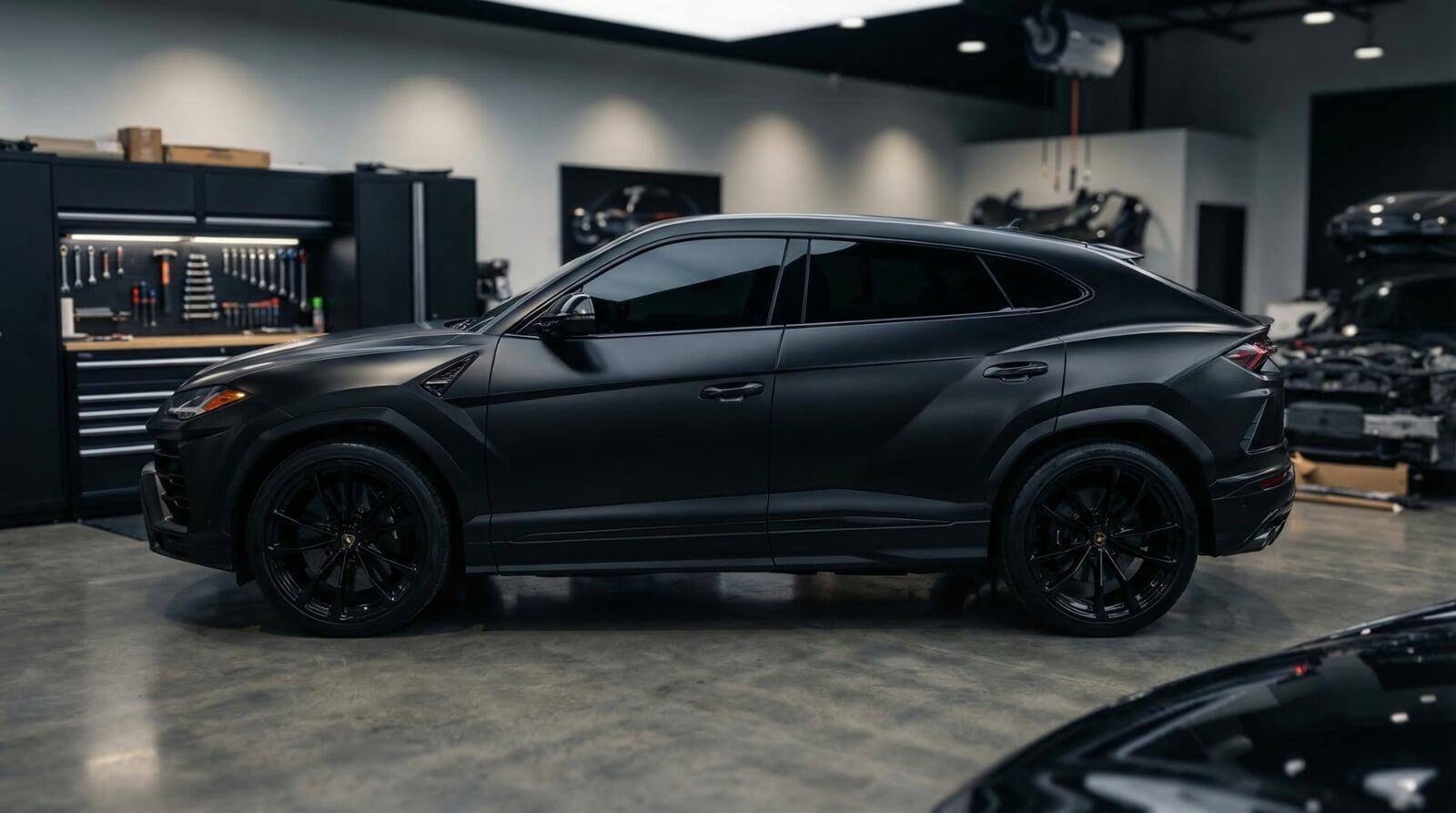
Understanding 5% Tint: What Does It Mean and Who Is It For?
The term “5% tint” refers to a film that allows only 5% of visible light to pass through your car’s windows. This is also known as “limo tint,” and it’s among the darkest tints offered to automotive consumers. Most factory glass, even if lightly tinted, lets at least 70% of light through. In contrast, 5% tint makes it much more difficult to see into (and out of) the vehicle. This darkness is most common on limousines, certain commercial vehicles, or for drivers who require maximum privacy and glare reduction.
Who is it for? Generally, 5% window tint is favored by owners seeking:
- Maximum privacy (preventing outsiders from seeing inside)
- A dramatic, stylish look popular in luxury and custom vehicles
- Strong glare reduction in sunny climates
However, for most daily drivers, 5% tint can pose visibility and legal challenges, which we’ll explain further below.
Legal Rules: Is 5% Tint Allowed in the United States?
Legal restrictions are one of the biggest considerations when choosing your tint shade. In the U.S., tint laws are set by individual states. These laws specify the minimum “Visible Light Transmission” (VLT) percentage required on each window - VLT is the amount of light the tint allows through, so lower numbers (like 5%) are darker, and higher numbers are lighter.
In nearly every state, 5% VLT is too dark for front side windows and windshields on passenger vehicles. Legal limits for front windows typically range from 24% to 70% VLT (allowing much more light through than 5%). The rear side and back windows may have more lenient rules; for SUVs and vans, some states do allow darker tints on rear windows, but this is rare for sedans and coupes.
Installing 5% tint in violation of your state’s rules can result in:
- Window tint citations and fines
- Inspection failures (where applicable)
- Mandatory tint removal at your expense
A few states permit medical exemptions for drivers with eye or skin conditions, but the process and restrictions are very specific. Always check your local tint laws or consult with a tint professional before installing 5% film. For a hands-on preview, try the UPPF Window Tint Simulator to visualize different tints on your vehicle.
Performance, Comfort, and Safety: How Dark Is Too Dark?
The darkness of a window film doesn’t just affect how your car looks - it impacts your visibility, comfort, and safety. Here’s what you need to know about living with 5% tint on your vehicle windows:
- Visibility: 5% tint significantly reduces the driver’s ability to see out, especially at night or in poor weather. Lane changes, backing up, and spotting pedestrians or cyclists are all more challenging.
- Heat and Glare Reduction: Very dark tint (like UPPF Manta Ceramic C05) excels at keeping interiors cool and blocking UV rays. The best ceramic films offer superior heat rejection even in lighter shades, sometimes outperforming cheap 5% dyed films.
- Privacy and Security: 5% makes it difficult for others to see valuables inside your vehicle. This can discourage break-ins but may also attract legal scrutiny in areas where such tint is prohibited.
- Safety in Emergencies: Emergency responders have noted that very dark tint can slow identification of occupants or access in an accident.
While ultra-dark tint offers standout benefits for privacy and sun protection, it is usually not ideal for everyday driving due to visibility and legal drawbacks. High-performance films (such as those from UPPF) can deliver excellent heat and glare rejection even at lighter, legal percentages - often a smarter compromise for most drivers.
Comparing 5% Tint to Other Popular Window Film Shades
If you are unsure whether 5% tint is right for your vehicle, it helps to compare it side-by-side with more moderate shades. Here is how 5% stacks up against the most common options using UPPF’s premium Manta Ceramic Window Tint lineup:
| Feature | Product Type | Protection Level | Durability | Best Use Case |
|---|---|---|---|---|
| UPPF Manta Ceramic C05 (5% VLT) | Nano Ceramic Window Film | Ultimate UV & heat rejection, superior privacy | 10+ years | Show vehicles, rear windows (where legal), privacy-focused use |
| LLumar CTX 15 (15% VLT) | Ceramic Window Film | High UV/heat rejection, solid privacy | 10+ years | Daily drivers seeking style & comfort |
| 3M Crystalline 40 (40% VLT) | Multi-layer Optical Film | Excellent heat rejection, moderate privacy | 10+ years | Legal compliance, optimal clarity, everyday use |
This comparison demonstrates that modern ceramic tints can deliver strong heat and UV insulation even at lighter, more legally compliant percentages. For most drivers, a VLT between 15% and 35% on the sides and rear achieves a balanced look, effective sun protection, and fewer legal worries.
If you choose UPPF’s professionally engineered films, you also benefit from color stability, scratch resistance, and a long-lasting, bubble-free appearance when applied by a Premiere Dealer.
Expert Recommendations: Should You Install 5% Tint?
So, is 5% tint too dark for your vehicle? The answer comes down to your goals, legal requirements, and preferred driving experience. Here’s what industry experts suggest:
- Check your state laws first: The majority of vehicle owners in the U.S. cannot legally install 5% tint on the front windows.
- Weigh your real-world needs: If you value maximum privacy or have a special-use vehicle, 5% may suit rear windows. But for daily driving, moderate films offer a better safety and comfort balance.
- Choose premium brands: High-performance films like UPPF Manta Ceramic deliver the same or better UV and heat rejection in lighter available VLTs, minimizing the trade-offs of dark tint.
- Professional installation matters: Always select a trusted partner like a UPPF Premiere Dealer near you for guaranteed results and warranty support.
A darker window film may look impressive, but the downsides in legality and visibility are real. For most U.S. drivers, choosing a quality ceramic tint with a slightly higher VLT ensures excellent protection and a premium finish - without the risk.
Conclusion: Is 5% Tint Too Dark for Your Car?
“Is 5% tint too dark?” is a crucial question for every car owner to consider before investing in window film. While 5% limo tint is unmatched for privacy and appearance on specialty builds or rear windows (where allowed), it is generally too dark - and often not legal - for everyday driving in most states. By opting for a premium ceramic film from a trusted brand like UPPF, you can achieve top-tier heat and UV protection, stay within the law, and enjoy a sharp, enduring look that suits both your lifestyle and your vehicle. Ready to upgrade your auto’s comfort and style? Explore the full UPPF Product Collections for window tint and protective films tailored to your needs.
Frequently Asked Questions
No, 5% tint is not legal on front side windows in most US states due to safety regulations on visibility.
Visibility through 5% tint is significantly reduced at night, making it difficult to see clearly from inside the vehicle.
The darkest legal tint varies by state, but most require at least 25% to 35% VLT for front side windows. Always check local laws.
Some states offer medical exemptions that may permit darker tints like 5%. The process and allowable darkness vary by location.
5% tint can improve heat rejection, but premium ceramic films at lighter shades often provide even better heat and UV protection.
In some states, 5% tint may be allowed on rear windows, especially for SUVs and vans. Know your state’s specific tint laws before installing.
5% tint reduces outward visibility, which can be unsafe for everyday driving, especially at night or in low-light conditions.