
How to Restore Paint on a Car: Expert Tips for Lasting Shine
If you are searching for how to restore paint on a car, you are likely dealing with faded, swirled, or weathered paint that no longer gleams like it once did. Keeping automotive paint in top condition is essential for both aesthetic and protective reasons - restored paint not only turns heads but also preserves your vehicle's value. This article covers the full process of car paint restoration, key benefits, cost insights, and advanced ways to protect your investment long term. Whether you are a hands-on enthusiast or considering professional help, these steps and expert recommendations will support smarter decisions about automotive protection and window film.
Understanding Why Car Paint Fades and Deteriorates
Before diving into restoration, it's important to know what causes paint to lose its luster. Modern automotive paint is exposed daily to harsh UV rays, acidic rain, road debris, improper washing, bird droppings, and environmental pollutants. All these factors degrade the paint’s clear coat, which is the first line of defense and the very surface that delivers that mesmerizing shine. Once the clear coat is compromised, paint can fade, become chalky, or develop swirl marks. Recognizing these issues early is key to preventing more costly repairs and making future protection - such as clear paint protection film - a wise investment for U.S. drivers.
Step-by-Step: How to Restore Paint on a Car
Restoring auto paint properly involves a series of careful steps designed to rejuvenate both gloss and clarity. Here is a proven professional workflow:
- Deep Cleaning & Decontamination: Gently wash the car using a pH-neutral soap, then use an automotive clay bar to remove embedded contaminants that conventional washing leaves behind. This step ensures the surface is smooth for polishing.
- Paint Correction: Assess the severity of swirls, scratches, and oxidation. Use a dual-action polisher with a cutting compound to level the paint, then follow up with a finer polish to maximize gloss. Work in small sections moving panel by panel.
- Inspect for Defects: After polishing, carefully check each area in proper lighting. If you see deep scratches that reach beneath the clear coat, professional repair or spot repainting may be needed - DIY steps are best suited for clear coat-level defects.
- Apply a Protective Layer: After perfecting paint, it's essential to add a protective product. Premium wax, sealant, or advanced ceramic coating can provide months of protection. For the highest-grade defense against new damage, many car owners in the U.S. now choose automotive paint protection film (PPF) for long-term durability and shine.
- Maintain the Finish: Regularly wash your vehicle using proper techniques, avoid automated brushes, and periodically reapply your preferred protective product. For those opting for PPF, spot cleaning helps keep the film performing and looking its best.
Detailing professionals stress that each restoration step, especially polishing, requires skill and care - rushing can result in holograms or new scratches. If you lack experience or the right tools, consider working with a qualified auto detailing shop or a UPPF Premiere Dealer near you to ensure exceptional results.
Benefits of Restoring Car Paint and Adding Advanced Protection
A fully restored paint finish brings more than cosmetic benefits - it also builds a foundation for lasting protection. Key benefits include:
- Visual Appeal: A brilliantly restored surface enhances your car’s lines and color depth, giving even older vehicles a “new car” look.
- Resale Value: Vehicles with pristine paint fetch higher prices and attract more private buyers and dealerships.
- Barrier Against Contaminants: Modern protection products such as PPF or ceramic coatings seal the surface, reducing the impact of UV, water spots, and chemical stains.
- Ease of Maintenance: A slick, flawless surface is easier to keep clean, while advanced film reduces future swirl marks and makes washing safer.
- Peace of Mind: Long-term protection means less worry about sun damage, bird droppings, or highway debris chipping vulnerable areas.
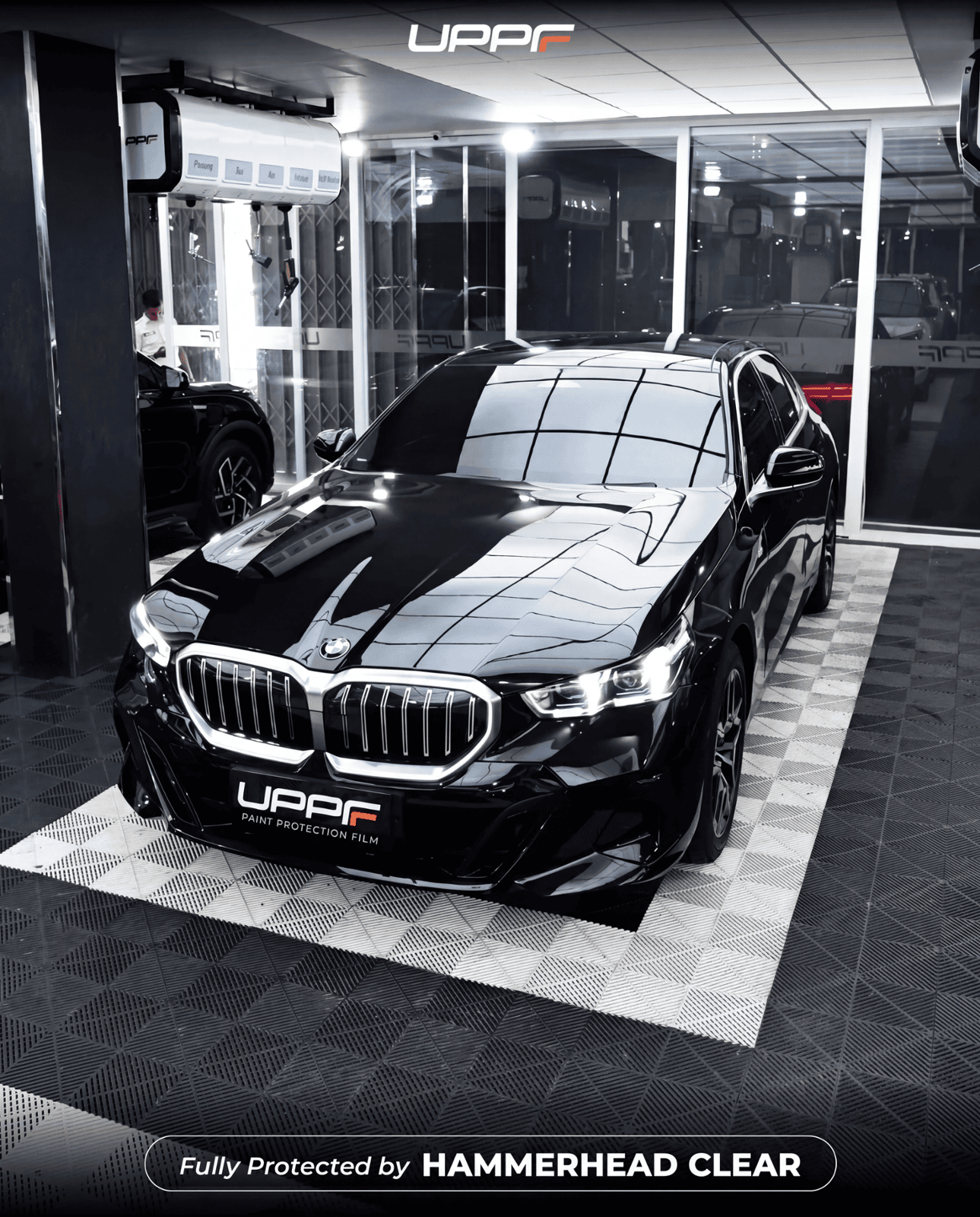
Among modern protective solutions, Hammerhead Clear Paint Protection Film by UPPF leads the way with self-healing, hydrophobic technology that shields against chips, scratches, and environmental fallout. After restoration, applying a professional-grade PPF is the gold standard for drivers wanting a showroom finish that lasts.
Cost Considerations: Restoring Versus Protecting Your Paint
Car paint restoration costs can vary widely based on vehicle size, paint age, and condition. DIY kits for minor swirl removal and polishing start around $75-200, but these require time, patience, and a careful hand. Professional paint correction typically costs $300-900 depending on defect severity, labor rates, and whether a one-step or multi-step process is needed.
Once paint is restored, adding a traditional single-wax layer is inexpensive ($20-50), while professional ceramic coating could range from $500 to over $1500, promising protection for up to 2-5 years. Premium paint protection film installations, such as UPPF’s Hammerhead Clear, represent a higher initial investment - typically between $1,200 and $2,500 for full front-end coverage, with full car wraps ranging higher. While PPF costs more upfront, it dramatically reduces risk of future damage and the need for repeated restorative work. Over several years, this can actually be the more economical route for drivers committed to preserving resale value and long-term aesthetics.
Remember, restoration does not prevent new damage - professional protection after restoration is vital for keeping that flawless finish on U.S. roads.
Comparing Protection Options After Paint Restoration
After restoring vehicle paint to its maximum gloss, choosing the right protection is the smartest next step. Below is how premium paint protection film compares to waxes and ceramics for post-restoration defense:
| Feature | Product Type | Protection Level | Durability | Best Use Case |
|---|---|---|---|---|
| Hammerhead Clear PPF (UPPF) | Thermoplastic Urethane Film | Rock chips, scratches, UV, chemical stains | 5-10 years | Long-term protection for daily drivers and high-value vehicles |
| Ceramic Coating (premium U.S. brands) | Liquid nano-coating | UV, minor chemicals, some etching | 2-5 years | Enthusiasts seeking enhanced gloss and hydrophobic effect |
| Traditional Wax/Sealant | Natural and synthetic wax | Basic water and UV repellency | 1-3 months | Quick DIY protection for all vehicles |
Paint protection films, such as those found in the UPPF Product Collections, provide the best balance of durability and protection for restored automotive finishes, especially in climates with heavy road use or sun exposure.
Professional Tips to Maximize Paint Restoration Results
Getting showroom-quality results at home or from a professional involves more than just products - it’s also about process and discipline. Here are expert strategies:
- Always use proper tools: Invest in microfiber towels, safe applicators, and a dual-action polisher for even results.
- Work in shade and on cool panels: This helps prevent streaking, hazing, and quick drying of compounds.
- Test products on a small area first: Not all coatings or polishes react equally to different factory paints.
- Understand your paint’s thickness: Some vehicles have very thin clear coats; aggressive polishing may not be safe if the paint is already compromised.
- Never skip protection: Even the best restoration work can be ruined quickly without a protective layer - consider premium PPF for daily drivers, exotics, and even restored classics.
For the best results, consult with a local expert. Schedule a consultation with a UPPF Premiere Dealer to receive advice tailored to your car’s unique condition and your protection needs.
Conclusion: How to Restore Paint on a Car for a Vibrant, Protected Finish
Learning how to restore paint on a car is a valuable skill that can transform your vehicle’s appearance, enhance resale value, and provide a perfect canvas for high-tech protection. Whether you tackle the project yourself or seek professional help, be sure to follow best practices for cleaning, correcting, and sealing your paint. For long-term results, combining restoration with an advanced protective solution such as Hammerhead Clear Paint Protection Film by UPPF ensures your car remains brilliant for years to come.
Frequently Asked Questions
In many cases, faded paint can be improved remarkably with careful polishing and protection, but if the color layer is severely damaged, full restoration may require repainting.
This depends on maintenance and what protection is added afterward; a restoration followed by professional paint protection film can last for many years with proper care.
Coatings and paint protection films offer longer-lasting defense compared to wax, which typically lasts only a few months before reapplication is needed.
Only defects in the clear coat can be safely corrected; deeper scratches into the color or primer layers require more extensive repairs or repainting.
Quality clear paint protection films are designed to enhance or preserve your paint’s natural gloss and are virtually invisible when professionally installed.
Use the two-bucket method and soft microfiber towels to minimize the risk of adding new swirl marks or scratches to the fresh finish.
It’s best to apply paint protection products immediately after restoration, once the surface is clean and defect-free, to lock in results and maximize longevity.