
When it comes to choosing the right window film for your vehicle, understanding the differences between ceramic tint and normal tint is essential for achieving the highest level of comfort and performance on the road. This article explores the debate of Ceramic Tint vs Normal Tint: Why Ceramic Films Offer Superior Driving Comfort - focusing specifically on automotive applications, premium U.S.-reviewed brands such as UPPF, and the features that make ceramic films the top choice among discerning drivers globally.
Defining the Basics: What Sets Ceramic and Normal Tints Apart?
Window tint technology has evolved rapidly in recent years, giving rise to a range of products that go well beyond basic aesthetics. To make an informed decision, it’s important to clarify the distinctions:
- Normal Tint: Typically refers to dyed or metalized films. Dyed tints use simple dye layers to darken glass, while metalized tints incorporate metallic particles to reflect light and heat. Both offer a degree of privacy and UV reduction but may fall short in advanced protection or clarity.
- Ceramic Tint: Ceramic films contain advanced ceramic nanoparticles - an innovation designed to maximize heat rejection, block UV rays, and prevent signal interference. Premium brands like UPPF Manta Ceramic Window Tint set industry benchmarks for performance and longevity.
Understanding these material differences is crucial for choosing a film that aligns with your driving comfort, safety, and vehicle protection priorities.
Ceramic Tint vs Normal Tint: Performance Comparison in Real Driving Conditions
Premium ceramic tints and traditional dyed or metalized tints perform differently under the pressures of daily automotive use. Here are the key factors that highlight ceramic’s superior driving comfort:
- Heat Rejection Efficiency: Ceramic window films excel at rejecting infrared (IR) heat, keeping your cabin noticeably cooler during summer months. UPPF’s ceramic tint series, for example, leverages ceramic nanoparticle technology to outperform standard tints in heat-blocking tests.
- Visual Clarity: Despite providing excellent heat and glare control, ceramic tints do not compromise visibility. Normal tints can sometimes appear hazy or reflect glare, while ceramic films from brands like UPPF remain crystal clear for safe day and night driving.
- UV Protection: Both normal and ceramic tints reduce UV exposure, but ceramics block nearly 99% of harmful UV rays, defending both passengers and interior materials from premature fading and sun damage.
- No Signal Interference: Unlike metalized tints, ceramic films are non-conductive. This avoids headaches like disrupted cell phone, GPS, or keyless entry signals - essential for modern drivers who rely on uninterrupted connectivity.
- Longevity and Fade Resistance: Premium ceramic films have a longer lifespan and resist color fading, bubbling, or delamination, maintaining their effectiveness and appearance far longer than basic dyed alternatives.
To help clarify the main differences, consider the following comparison table using premium U.S.-reviewed brands:
| Feature | Product Type | Protection Level | Durability | Best Use Case |
|---|---|---|---|---|
| Heat Protection | Ceramic (UPPF Manta) | Very High | 10+ years | Ultimate comfort & sun protection |
| Heat Protection | Normal Dyed | Standard | 1-3 years | Budget privacy |
| Signal Interference | Ceramic (UPPF Manta) | None | Stable | Vehicles with electronics |
| Signal Interference | Metalized | Possible | Variable | Older vehicles |
| UV Blockage | Ceramic (UPPF Manta) | Up to 99% | High | Protecting passengers & interiors |
| UV Blockage | Normal Dyed | Moderate | Average | Basic protection |
Driving Comfort: Real-World Benefits of Premium Ceramic Window Films
Choosing ceramic tint isn’t just about a label - it’s about transforming every journey. Here’s how ceramic window films specifically enhance real-world driving comfort for automotive enthusiasts and everyday drivers:
- Cooler Cabin, Enhanced Energy Efficiency: Heat rejection technology in ceramic tints reduces air conditioning demands, meaning less fuel or battery consumption, whether you drive a luxury sedan or an electric vehicle.
- Glare Reduction: Ceramic window films cut down on blinding sun glare and harsh headlights, enhancing comfort and decreasing eye strain, particularly valuable for long road trips or urban traffic at dusk.
- Consistent Appearance: A key advantage of UPPF’s premium ceramic series is aesthetic consistency. Unlike some low-end tints that fade or turn purple, quality ceramics maintain their sleek, modern appearance for years.
- Protection Year-Round: Ceramic films provide a shield against not only harsh sunlight but also damaging UV rays in every season, helping to preserve vehicle interior investments globally.
- Balanced Privacy: With a range of shades available from brands like UPPF, you get privacy without sacrificing outward visibility or compliance with local tint regulations.
Premium Brands Compared: UPPF and the Best U.S.-Reviewed Window Films
Within the global automotive market, only a handful of brands meet the highest standards for ceramic window tint. Here’s why UPPF stands out among the most trusted names:
- UPPF Manta Ceramic Series: Renowned for its state-of-the-art ceramic technology, UPPF offers one of the most advanced automotive tint products. It delivers exceptional heat and UV blocking, durability, and is designed for flawless installation by certified experts.
- Others in the Premium Space: Top competitors, as regularly reviewed in the U.S., include brands like 3M, LLumar, and XPEL. These brands also deliver reliable ceramic films, but UPPF’s focus on protective innovation, new film technologies, and their extensive authorized installer network give them an edge for performance-oriented drivers.
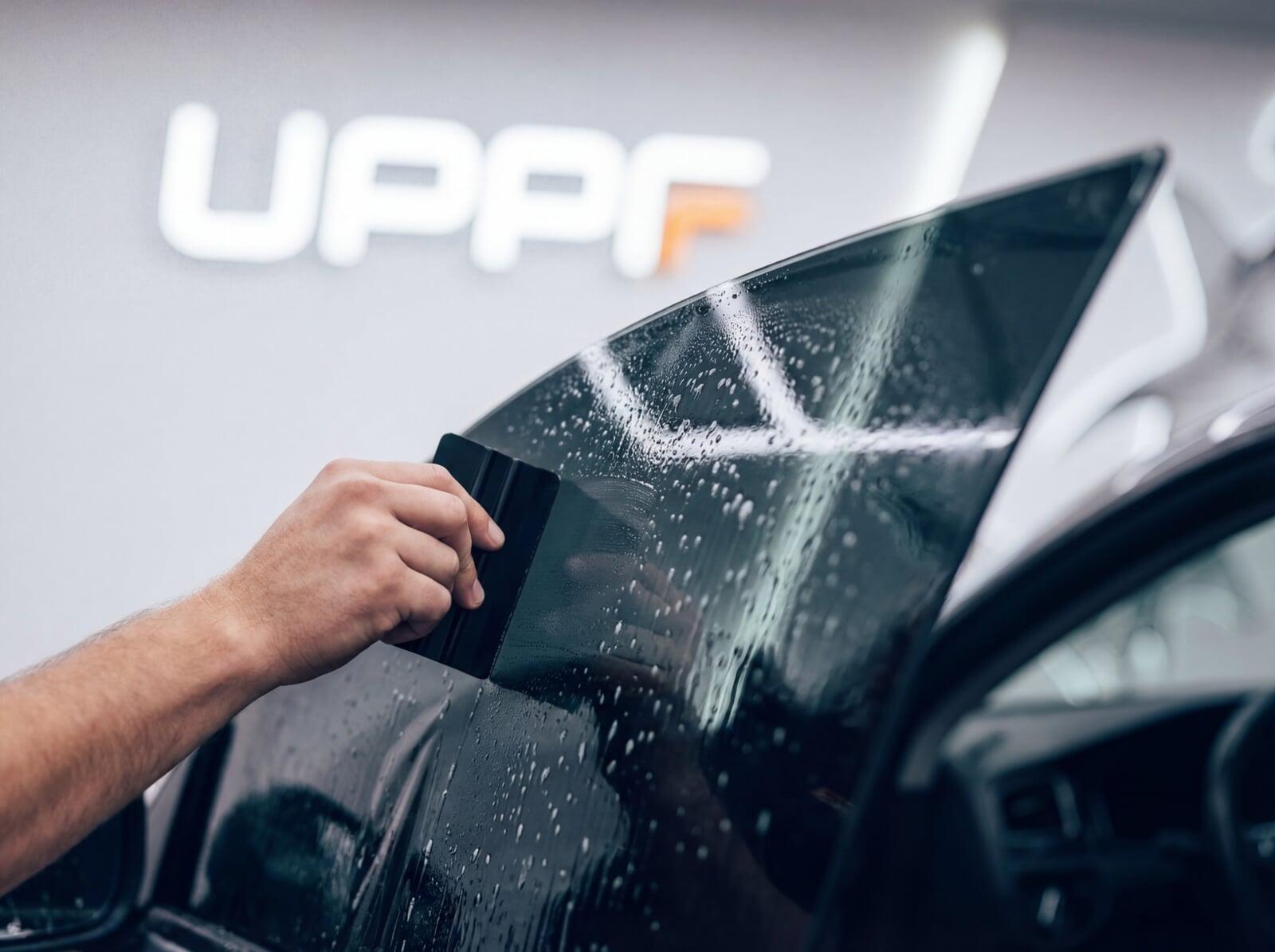
Installation, Maintenance, and Warranty Considerations
The best window tint experience doesn’t end with product selection. Professional installation guarantees maximum film longevity, visual appeal, and warranty support. Here’s what you should know:
- Authorized Installation: Use only certified technicians, like UPPF’s authorized installer network, to avoid trapping dust, bubbles, or causing premature delamination.
- Maintenance: Premium ceramic tints are scratch-resistant and easy to clean. Use non-abrasive, ammonia-free solutions for the longest lifespan.
- Warranty: Leading brands such as UPPF back their ceramic films with robust warranty coverage, protecting your investment and ensuring peace of mind for years to come.
Ceramic tints are designed for low maintenance yet maximum protection, making them well-suited to drivers who value their vehicle’s appearance and comfort long-term.
Conclusion: Ceramic Tint vs Normal Tint - The Smart Choice for Superior Driving Comfort
In the debate between ceramic tint and normal tint, the advantages of ceramic films - especially those from trusted, high-performance brands like UPPF are clear. Superior heat rejection, consistent clarity, unbeatable UV protection, and proven durability all combine to create a driving environment that is safer, more comfortable, and visually appealing. Invest in a premium ceramic window film for your automotive needs and experience the upgrade in comfort and protection on every road worldwide.
Frequently Asked Questions
Ceramic tint uses advanced technology to offer superior heat and UV rejection, better clarity, and no signal interference compared to normal dyed or metalized tints.
No, ceramic window films are non-metallic and do not disrupt cell, GPS, or radio signals in vehicles.
Premium ceramic films typically last over 10 years when professionally installed and maintained, far outlasting standard tints.
No, ceramic tints can be either light or dark depending on your choice. Their performance is based on material, not shade.
UPPF’s Manta Ceramic Window Tint uses advanced ceramic particles for exceptional heat rejection, UV blocking, and lasting clarity, backed by a strong warranty and certified installation network.
Laws on tint percentage vary by country and state. Always check your local regulations before choosing a shade.
Yes, ceramic tint can be applied to most vehicles, but be sure to use a professional installer who knows regional tint laws and standards.