
Ceramic Tint vs Regular Tint: Which Is Better for Your Vehicle?
If you’re researching window tinting for your car, you’ve likely come across the debate of Ceramic Tint vs Regular Tint. Choosing the right window tint can hugely impact not only how your vehicle looks, but also your driving comfort, privacy, and long-term protection. In this guide, we compare premium U.S.-reviewed brands like UPPF, 3M, and LLumar to help you understand what sets ceramic tint apart from conventional options, so you can make the best decision for your car in the United States.
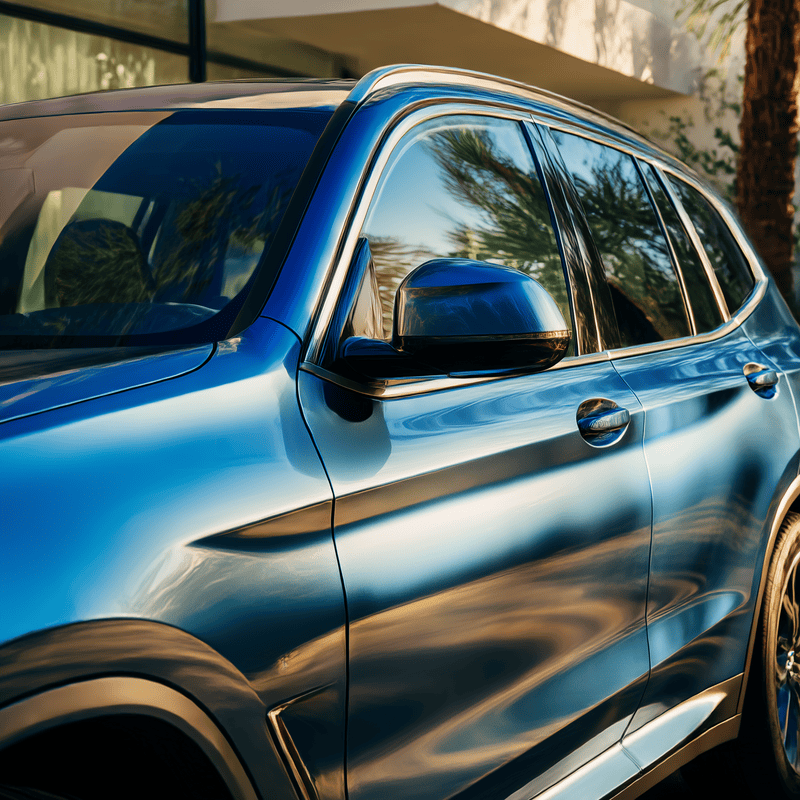
Understanding Ceramic Tint vs Regular Tint
Window tint serves multiple roles: it reduces glare, blocks heat, adds privacy, and protects interiors from UV damage. But not all tints are created equal. Regular window tints, often called dyed or metalized tints, use basic film technologies to darken windows and reflect sunlight. Ceramic tints, like those found in the UPPF Manta Ceramic Window Tint collection, are made with advanced nano-ceramic particles that provide a higher level of solar protection without the need for metal or heavy dyes.
- Regular (Dyed) Tints: Employ dyed polyester film to absorb a portion of sunlight and reduce glare. Typically have a deep, uniform color.
- Metalized Tints: Use metal particles within the film to reflect light and heat, but may interfere with electronics.
- Ceramic Tints: Leverage microscopic ceramic technology for heat rejection, UV defense, and clarity without signal interference.
Let’s break down these differences by looking at the major attributes that matter most for car owners.
Key Advantages of Ceramic Tint Over Regular Tint
When comparing ceramic tint vs regular tint, a few key areas distinguish premium ceramic options:
- Superior Heat Rejection: Ceramic tint blocks a higher percentage of infrared heat, keeping interiors cooler even on the hottest days.
- UV and Glare Protection: Ceramic tints filter out 99+% of harmful UV rays, protecting occupants and interiors from sun damage and fading.
- No Signal Interference: Unlike metalized films, ceramic tints do not interfere with GPS, cell phones, or radio signals.
- Durability and Longevity: High-end ceramic tints, such as those from UPPF and 3M, are less likely to fade, bubble, or peel over time.
- Crystal Clarity: Ceramic technology maintains visible light clarity, ensuring you get optimal vision day and night.
While regular tints can offer a cost-effective solution and basic benefits, the performance and longevity of ceramic tints are unmatched for those seeking the best automotive protection available.
Premium U.S.-Reviewed Brands: UPPF vs the Competition
In the top tier of window film products, U.S. car owners have access to several high-ranking brands. Here’s how some of the most trusted names compare:
| Feature | Product Type | Protection Level | Durability | Best Use Case |
|---|---|---|---|---|
| UPPF Manta Ceramic | Ceramic Tint | Exceptional UV, IR, and glare reduction | Ultra-long lasting, fade & bubble resistant | Luxury, daily drivers seeking premium performance |
| 3M Crystalline | Ceramic Tint | Advanced heat rejection, top-tier clarity | Highly durable with global reputation | High-end vehicles focusing on comfort and technology |
| LLumar CTX | Ceramic Tint | Superior glare & heat reduction | Robust against discoloration & damage | Family sedans, SUVs, and urban commuters |
| Basic Dyed (3M, LLumar) | Regular Tint | Moderate privacy and glare reduction | Prone to fading and bubbling over time | Budget-conscious owners or temporary use |
Cost Considerations and Value
Ceramic tinting is a higher initial investment than basic dyed or metalized films, but the value proposition is compelling. Here’s why:
- Lifetime Value: While regular tint may cost less up-front, ceramic films tend to last much longer, often carrying lifetime warranties from reputable brands.
- Reduced Maintenance Costs: Superior UV protection of ceramic tints like UPPF Manta series helps prevent dashboard cracking, upholstery fading, and leather drying, translating to real-world savings.
- Resale Impact: A premium ceramic tint job signals buyers about the care and premium investments made in your vehicle, potentially raising resale value.
Many U.S. tinting shops offer tiered package deals, and the cost difference between top-tier ceramic tints and regular dyed films becomes more reasonable if you factor in long-term benefits. For those prioritizing performance and durability, ceramic tint clearly stands out as the high-value choice.
Real-World Performance in the U.S. Climate
More than appearance, the main job of window tinting is performance under real driving conditions. In heat-prone states like Texas or California, ceramic tint’s advanced infrared and UV-blocking properties help keep interiors cooler, protecting both car and passengers. Conversely, in colder climates, ceramic tint’s insulation capabilities help maintain cabin warmth and prevent window frost buildup. U.S.-reviewed brands like UPPF and LLumar rigorously test their films for all seasons, ensuring year-round performance. Always request installation from certified professionals for best results.
How to Decide: Ceramic Tint vs Regular Tint for Your Car
Making the right choice comes down to your priorities:
- Assess Driving Needs: Is heat rejection, privacy, or longevity your main concern?
- Set a Realistic Budget: Consider long-term value over initial costs.
- Consult Premium Installers: Work with certified shops and request samples.
- Review Product Performance: Examine real-world owner reviews and request data from top brands.
- Choose Proven Brands: For best results, select only U.S.-trusted products such as UPPF, 3M, or LLumar.
Conclusion: Why Ceramic Tint Is the Top Choice
When comparing ceramic tint vs regular tint, it’s clear that ceramic window films deliver lasting value, stronger protection, and better driving comfort. While regular tint suits a basic budget, ceramic options offer higher performance and peace of mind for drivers seeking the ultimate in automotive care.
Frequently Asked Questions
Laws vary by state, but most U.S. states restrict how dark side and rear windows can be. Always check your specific state’s guideline before installing any tint.
In many states, 20% tint is too dark for front side windows but may be allowed for rear windows. Check local regulations to ensure compliance.
No, ceramic tint provides superior heat and UV rejection without having to be very dark. You get high performance even with lighter shades.
Ceramic tints are non-metallic and do not block GPS, cell phones, or radio signals, unlike some metalized tints.
Yes, for long-term vehicle protection, comfort, and clarity, ceramic window tint provides better overall value than regular tints.
Some U.S. states allow exemptions for medical need, but requirements and approval processes vary. Consult your DMV for details.
High-quality ceramic tints from brands like UPPF can last over a decade when professionally installed and cared for.