
Choosing the best window tint percentage for cars is about more than looks; it affects your comfort, privacy, vehicle’s value, and - most importantly - your compliance with legal standards in your state. With so many options available, from factory-installed shades to advanced ceramic films like UPPF’s Manta Series, understanding how tint percentages work and how to select the ideal one for your needs can be complex. This guide clears up the confusion with easy-to-understand explanations, real-world advice for car owners, and expert insights into industry-leading options.
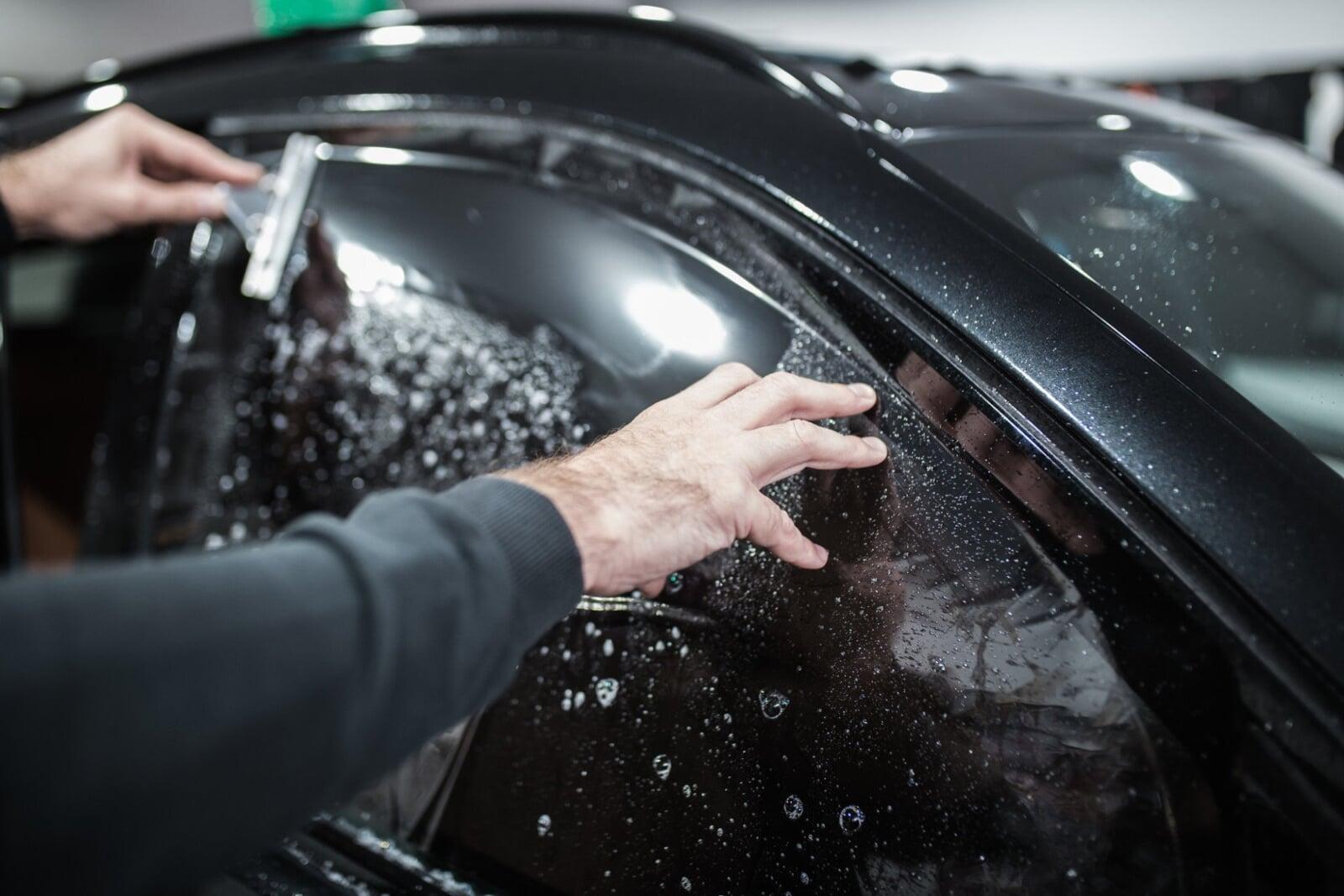
What Does Window Tint Percentage Mean?
The “window tint percentage” is simply how much visible light a particular window film lets through, known as Visible Light Transmission (VLT). A lower number means a darker tint - for example, 20% VLT only allows 20% of outside light inside your car - while a higher number like 70% VLT means a very clear, light tint. Most US window tint options fall between 5% (very dark, “limo tint”) and 70% (very light, almost invisible).
- 5%: Most privacy, least visible light (often illegal for side and front windows)
- 20%: Strong privacy and glare reduction, common for rear windows
- 35%: Balanced between style, privacy, and good visibility
- 50%: Light shading, enhanced comfort, high legal compliance
- 70%: Barely noticeable, excellent heat rejection with modern ceramic films
Professional brands offer consistent VLT ratings across the film, ensuring both appearance and optical clarity. The right percentage will depend on your car type, climate, personal preferences, and local laws.
Legal Limits: Which Tint Percentages Are Allowed in the United States?
One of the most important factors in choosing a window tint percentage for your car is state law. Every US state has its own regulations governing how dark your windows can legally be, typically with separate rules for the windshield, front side windows, rear side windows, and the rear windshield.
- Windshield: Most states only allow a narrow band along the top, often 70% VLT or lighter for main glass
- Front Side Windows: Common legal limits are 35% or higher VLT, but some states allow as low as 20%
- Rear Side & Rear Windows: Limits are often more relaxed, sometimes allowing any darkness
Always check the current laws for your state or consult with an experienced installer or UPPF Premiere Dealer near you to ensure your chosen VLT meets both style and legal requirements. Ignoring legal tint limits can result in fines or forced removal, so it pays to be thorough.
Comparing Popular Window Tint Percentages for Cars
Let’s look at the real-world experience at different VLT levels. When choosing the best window tint percentage for cars, consider how each option will affect glare, heat reduction, appearance, driving at night, and privacy. Here’s what to expect from the most common choices:
- 5% (Limo Tint): Ultra-dark, perfect for complete privacy, but illegal on front windows in nearly all states and can hinder nighttime driving visibility.
- 20%: Popular for rear windows, provides strong privacy and effective heat/glare blocking, stays within legal limits on some rear glass.
- 35%: The “sweet spot” for many car owners - subtle style upgrade, privacy, and protection without drastically impacting visibility.
- 50%-70%: Nearly invisible to outsiders, these high VLT films (especially ceramic or nano-ceramic) offer modern heat rejection and UV protection without a dark appearance, ideal for windshields or states with strict tint laws.
UPPF’s Manta Ceramic window tints come in 5%, 20%, 35%, 45%, 55%, and 70% VLT, making it easy to match a tint to your state’s requirements and your personal taste. Try out different shades with the official Window Tint Simulator to see how they might look on your vehicle.
Factors to Consider When Selecting Window Tint Percentage
Going beyond basic legality and style, here are important considerations when choosing the best window tint percentage for your car:
- Safety and Visibility: Extremely dark tint (lower VLT) may reduce night visibility, making driving riskier, especially on rural roads or in rainy conditions. Choose a lighter tint for the front if you often drive at night.
- Interior Comfort and UV Protection: High-tech films like UPPF Manta Ceramic can block over 99% of UV rays even at lighter VLTs, helping to prevent fading, cracking, and health risks from sun exposure.
- Privacy: Lower VLT means higher privacy, but even mid-level tints (like 35%) significantly reduce visibility into your car without appearing opaque.
- Vehicle Appearance and Resale: A tasteful, legal tint can enhance your car’s look and preserve interior materials, potentially raising resale value.
- Climate: In hotter US regions, a slightly darker legal tint may be preferable to reduce cabin heat, while in cooler states, a lighter film may suffice.
A professional-grade ceramic tint, such as the Manta Ceramic Window Tint, delivers superior heat rejection and UV shielding even at higher visible light percentages, combining safety, comfort, and style.
How the Best Window Tint Percentages Compare: UPPF and Top Brands
Not every window film is created equal, even at the same VLT. Premium brands invest heavily in advanced technology for optical clarity, color stability, warranty coverage, and solar performance. To help you decide, here’s how UPPF’s Manta Ceramic compares to leading competitors in the US.
| Feature | Product Type | Protection Level | Durability | Best Use Case |
|---|---|---|---|---|
| UPPF Manta Ceramic | Nano-Ceramic Film, 5-70% VLT Options | Blocks 99% UV, High IR Heat Rejection | Premium, up to Lifetime Warranty | Drivers seeking optimal heat & UV protection with minimal signal interference |
| 3M Crystalline | Multi-Layer Optical Film, 20-70% VLT | Blocks 99% UV, Excellent IR & Heat Reduction | High | Those prioritizing signal clarity and advanced solar performance |
| Llumar FormulaOne Stratos | Ceramic Film, 5-70% VLT | Blocks 99% UV, Advanced IR Rejection | Premium | Luxury car owners and those wanting balanced comfort |
While all three brands deliver exceptional protection and style choices, UPPF stands out for its clarity, broad VLT range, and robust worldwide dealer network.
Conclusion: Choosing the Best Window Tint Percentage for Cars
Finding the best window tint percentage for cars is about striking a balance between compliance, style, comfort, and protection. For most US car owners, 35% VLT is a legal and practical front-side window choice, while a darker legal film can be paired on rear glass for added privacy. By trusting advanced products such as UPPF Manta Ceramic and consulting with local experts, you ensure that your tint not only looks great but also protects what matters most every time you drive. Explore the full range of options in the UPPF Product Collections, and experience the difference that a premium automotive window film can make.
Frequently Asked Questions
Legal tint percentages vary by state, usually 35% VLT or lighter for front side windows and more lenient limits for rear windows and windshields.
20% window tint is only legal for certain rear windows in some states and is usually too dark for front side windows where restrictions are stricter.
The darkest legal window tint depends on state law and window location, but most front windows can have 35% VLT, while rear windows may be darker.
Some states offer medical exemptions for darker tint with proper documentation due to light sensitivity or medical conditions -check your state’s laws.
A higher percentage means a lighter tint because more visible light passes through the window film.
Yes, quality window tint blocks UV rays that cause fading, cracking, and wear on your car’s interior, especially in sun-prone climates.
Yes, as long as each window’s tint complies with your state’s specific legal requirements for that window’s location.