
Choosing the best ceramic window tint in 2026 is more than a style decision - it's about protecting your car, staying compliant with U.S. tint laws, and ensuring long-term comfort. With rapid advances in ceramic tint technology, car owners are seeking a blend of effective heat rejection, optimal clarity, and the premium look that only top-tier tints deliver. This guide breaks down the legal factors, shows new innovations, and gives a side-by-side comparison of leading brands so you can make an informed choice for your vehicle.
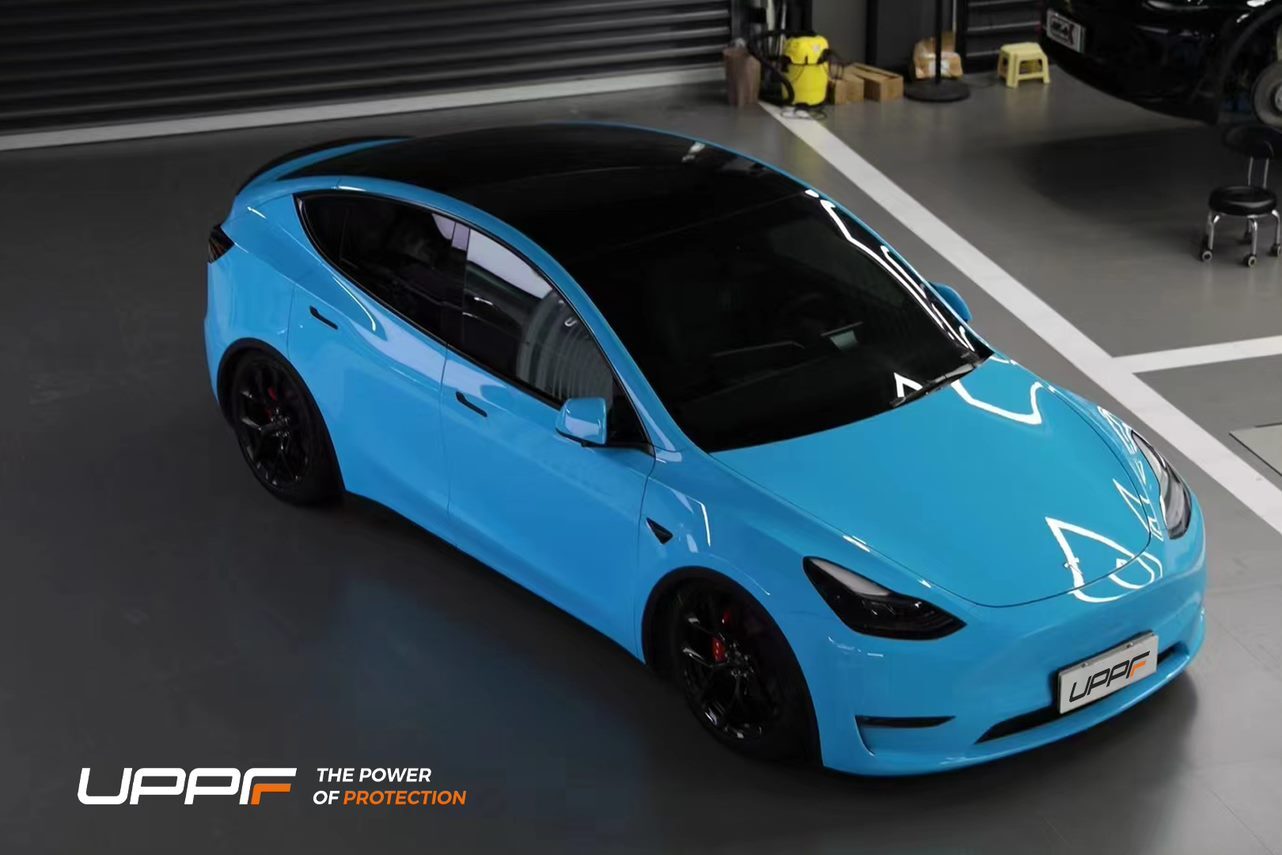
Understanding Ceramic Window Tint Technology
Ceramic window tint stands apart as the pinnacle of automotive tint innovation, especially as we look ahead to 2026. Unlike traditional dyed or metallic tints, ceramic films are constructed from non-metallic, nano-ceramic particles. These materials do not interfere with GPS, cell signals, or radio frequencies, making them ideal for modern connected vehicles. The true advantage is how ceramic tint blocks infrared heat and UV rays while maintaining high transparency and low reflectivity. Car owners choosing ceramic window tint in 2026 enjoy a noticeably cooler cabin, significant protection from sun damage to interior trim, and enhanced glare reduction, making every drive more comfortable and stress-free.
- Reduces up to 99% of harmful UV rays
- Blocks a substantial amount of infrared heat, making the interior cooler
- Maintains signal clarity for navigation, Bluetooth, and satellite radio
- Resistant to fading, bubbling, and discoloration over time
As innovation continues, the best ceramic window tints of 2026 make fewer compromises: top-performing products deliver exceptional clarity even at darker shades and push the boundaries of heat rejection, all while complying with evolving automotive technology standards.
2026 Legal Considerations: Window Tint Laws and Compliance
No discussion of ceramic window tint is complete without considering state-regulated window tint percentages and medical exemptions, which are crucial for any professional installation in the U.S. In 2026, the majority of states still regulate window tint using VLT (visible light transmission) percentage - the amount of light allowed through your car windows. Commonly, front side windows have stricter VLT requirements than rear windows or rear windshields.
- Most states require at least 35% VLT on front side windows
- Some states allow different percentages for SUVs or trucks compared to sedans
- Windshield tint is generally restricted to the upper “AS-1” line or requires a lighter shade like 70% VLT or higher
- Medical exemptions exist, but documentation and local approval procedures vary
Failure to follow legal guidelines can result in fines or even mandatory tint removal, so it’s essential to consult current regional laws or your installer before choosing a shade. Leading brands, including UPPF, provide a range of options from very light tints for windshield and compliance-friendly installs to darker films designed for rear windows where restrictions are looser.
Comparing Premium Brands: Which Ceramic Window Tint Leads in 2026?
As ceramic tint adoption continues to grow, several premium brands routinely stand out for their performance, longevity, and market reputation in the United States. Below, we compare three of the most trusted products in the automotive tint industry for 2026: UPPF Manta Ceramic, 3M Ceramic IR, and XPEL XR Plus.
| Feature | Product Type | Protection Level | Durability | Best Use Case |
|---|---|---|---|---|
| UPPF Manta Ceramic | Nano-ceramic film | Very high IR and UV rejection | Long-term clarity; resistant to fading and bubbling | Premium heat and UV protection for luxury & performance cars |
| 3M Ceramic IR | Nano-ceramic film | High IR and UV rejection | Durable, with good color stability | All-around protection for daily drivers |
| XPEL XR Plus | Multi-layer nano-ceramic film | High IR and UV rejection | Strong resistance to fading, cracking | Performance-focused installs with advanced IR rejection |
UPPF Manta Ceramic stands out for US drivers who demand premium aesthetics, advanced sun blocking, and lowest possible haze - ideal for high-value vehicles and those spending long hours on the road. 3M and XPEL maintain robust competition, both excelling in durability and signal-friendly designs. The most noticeable differences come down to subtle clarity at high VLT, shade variety, and installer reputation.
Key Factors to Consider When Choosing Ceramic Tint in 2026
Selecting the right ceramic window tint for your car in 2026 means looking beyond brand names. Here are the most important factors every car owner should evaluate:
- Heat & IR Rejection: Top ceramic tints block more than 80% of infrared rays, significantly cooling the interior - critical for southern and sunny U.S. states.
- UV Protection: Ensure your film offers at least 99% UV rejection to guard occupants and prevent plastic/fabric fade.
- Clarity & Visibility: Look for ceramic films that maintain clear vision at both day and night - especially around 35% to 70% VLT where legal demands are strictest.
- Warranty & Longevity: Trusted products, like UPPF's Manta Ceramic, come with warranties against bubbling, cracking, and color change for peace of mind.
- Installer Quality: Even the best tint fails without proper application. Evaluate local expertise and precision workmanship. To ensure premium results, find a UPPF Premiere Dealer near you for professional installation.
Additionally, consider any special needs such as windshield tint (70%+ VLT), sunroof or panoramic roof coverage, or legal medical exemptions. Explore tint simulator tools offered online by leading brands to preview how different shades and finishes will look on your specific vehicle.
Choosing UPPF Manta Ceramic: A Next-Generation Solution
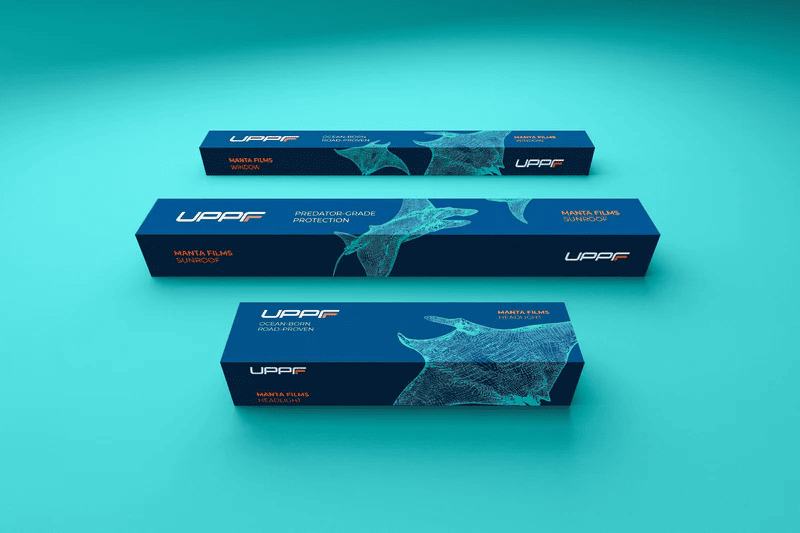
UPPF's Manta Ceramic Window Tint sets a new standard among advanced ceramic films in 2026. Developed for drivers who want the absolute best, Manta Ceramic offers:
- Ultra-high infrared rejection for maximum interior cooling
- Outstanding clarity, even at low VLT percentages
- Full-spectrum UV protection to preserve your car's interior
- Multiple VLT options, from privacy-focused to nearly invisible light shades
- Non-metallic construction to keep your car’s tech running smoothly
Manta Ceramic’s versatility means you can confidently protect your vehicle regardless of whether your state demands lighter or darker film, or if you’re looking for added comfort without changing appearance. With ongoing R&D and robust U.S. dealer support, UPPF continues to bridge the gap between high-performance automotive technology and stylish, compliant vehicle enhancement.
To explore all ceramic, color, and protection film choices, see the complete UPPF Product Collections.
Conclusion: The Best Ceramic Window Tint in 2026 Delivers Performance and Peace of Mind
In 2026, the best ceramic window tint is the one that offers you superior comfort, lasting protection, and perfect legal fit for your state. Brands like UPPF, 3M, and XPEL take the lead by combining advanced technology with installation expertise and strong warranties. If you seek a tint that enhances your car’s aesthetics, safeguards its tech, and stands up to UV and heat - now and into the future - choosing a premium ceramic solution like UPPF Manta Ceramic will reward you on every drive. Start by knowing your legal limits, compare top products, and trust an expert partner to deliver results you’ll appreciate for years to come.
Frequently Asked Questions
This varies by state, but many require at least 35% VLT on front windows, while rear windows can be darker. Always check your local regulations as laws can change.
Yes, ceramic tint blocks more infrared heat than traditional dyed or metallic films, resulting in a noticeably cooler interior.
No, premium ceramic tints are metal-free and designed not to affect GPS, Bluetooth, or cell signals.
With quality brands and professional installation, ceramic tints can last 10 years or longer without significant fading or bubbling.
Some states allow medical exemptions with proper documentation if you have a health condition that requires additional UV protection.
Most state laws only permit clear or very light tints (usually 70% VLT or higher) on the windshield, typically only above the AS-1 line.
Look for established brands, strong warranties, proven performance data, and have the film installed by automotive specialists.