
When it comes to keeping your vehicle looking pristine, understanding the best car colors to hide scratches can make a significant difference in daily ownership. Whether you park in busy urban lots or frequently drive on gravel roads, the color of your car plays an essential role in how easily imperfections show. This guide explores which automotive paint colors are best at concealing minor damage, offers comparisons for car owners, and covers expert recommendations - including tips on advanced protection solutions from leading brands.
Why Do Scratches Show More on Certain Car Colors?
The visibility of car scratches is largely dictated by the way light reflects off the vehicle’s paint surface and the contrast between the paint color and the underlying primer or bare metal. Lighter colors tend to reflect more light, lessening the appearance of fine lines. In contrast, darker and highly saturated colors - particularly deep blacks and reds - tend to highlight even the smallest surface damage. Car finishes such as metallic, matte, or clear-coated also influence how scratches are perceived by the eye:
- Gloss finishes can make scratches look shinier, drawing attention to the defect.
- Satin and matte finishes diffuse light, sometimes masking lighter scuffs but displaying deeper cuts distinctly.
- Metallic flake finishes can hide or accentuate scratches depending on flake size and paint depth.
Understanding the interaction between paint color and finish helps car buyers select a vehicle that conceals everyday wear.
Which Car Colors Best Hide Scratches? Expert Analysis
After years of automotive detailing and car protection innovation, industry professionals generally agree that these shades are the best car colors to hide scratches:
- Silver and Light Gray: Thanks to moderate reflectivity and minimal contrast with common primers, light silver and gray are notoriously effective at hiding minor nicks and swirl marks. These colors mask both dust and scratches, making them popular in both luxury and fleet vehicles.
- White and Off-White: White’s lack of color saturation provides the least contrast with shallow scrapes, particularly when the primer is light-colored. It is also a forgiving color for water spots and general dirt.
- Beige, Champagne, and Light Gold: These earth-toned shades sit between the reflectivity of white and gray, further aided when metallic flake is added. The subtle shimmer can break up light, making fine scratches less obvious.
- Medium Metallic Blue and Silver-Blue: The cooler tones and metallic sheen can make scratch edges less visible, especially if the scratch does not cut all the way through the color layer.
By contrast, high-gloss black, navy, and bright primary colors tend to show imperfections most readily due to their depth and color uniformity. Matte finishes can help with shallow swirl marks but may make accidental dings more visible.
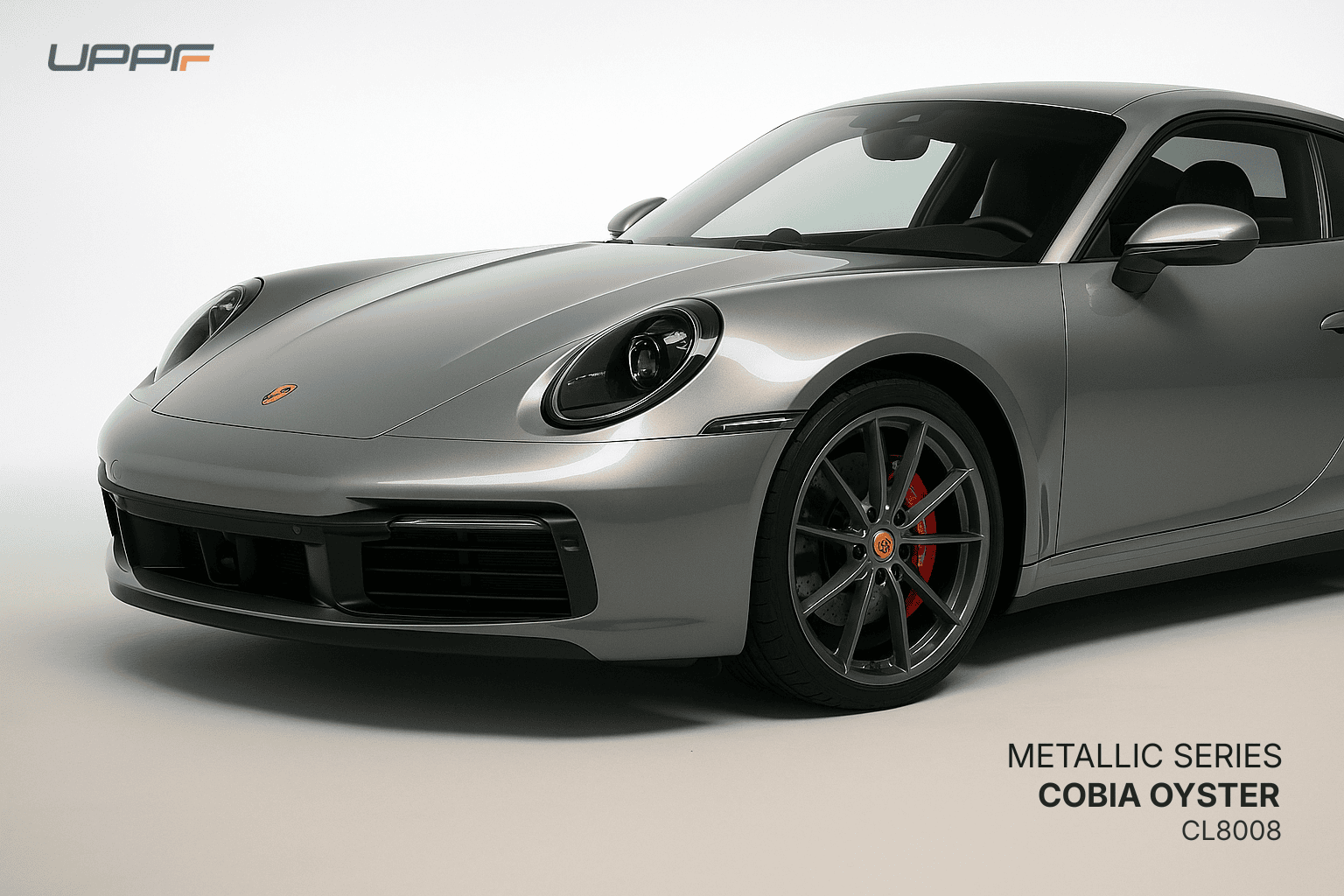
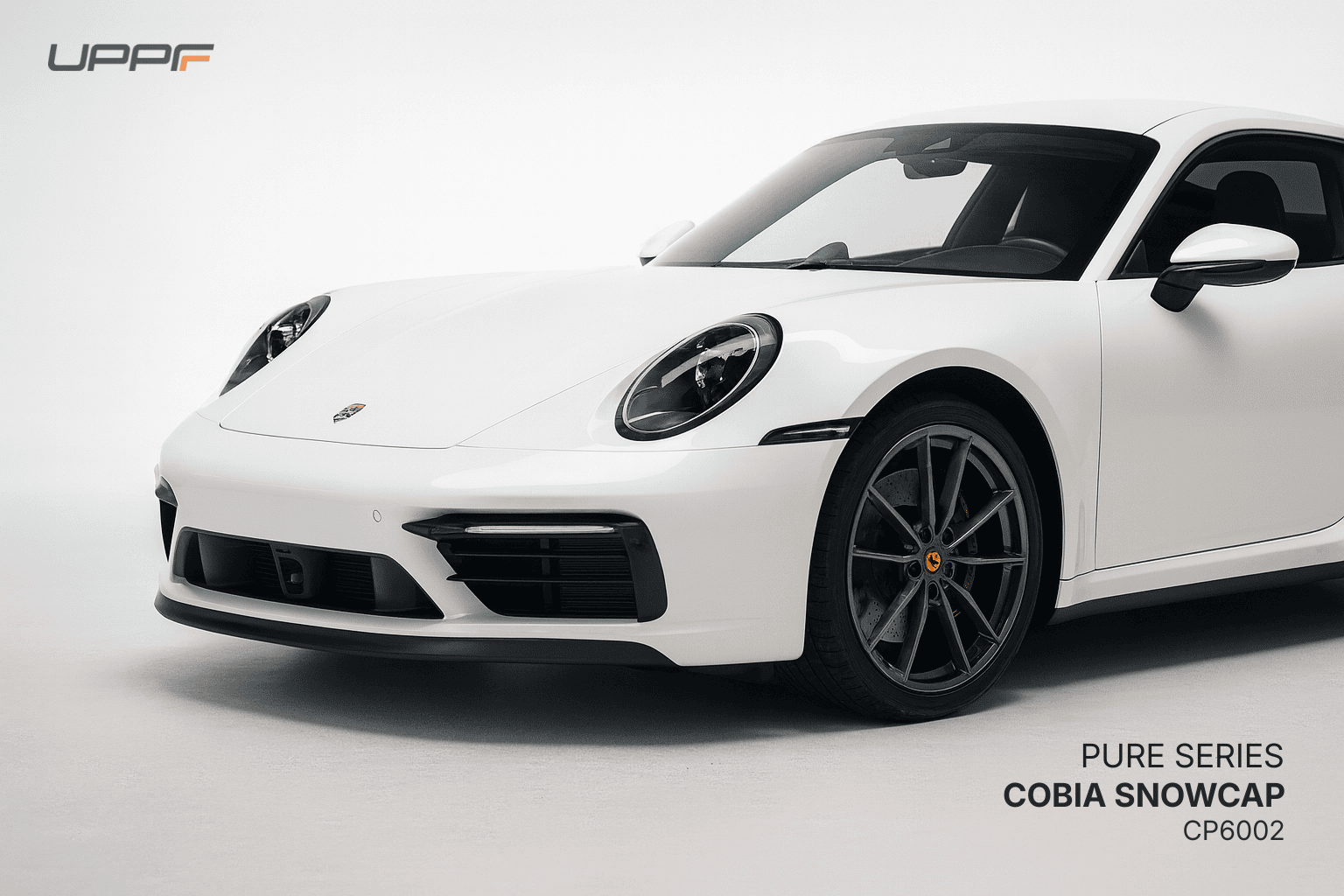
Paint Protection Film Options for Every Color Choice
While color selection can help reduce the appearance of minor blemishes, automotive paint protection film (PPF) provides a transparent, flexible shield that actively safeguards your paint from scratches, chips, and road contaminants. Brands like UPPF lead the field with advanced TPU-based solutions engineered for clarity, longevity, and self-healing properties. Their colored PPF lines - such as Cobia Pure, Cobia Metallic, and Cobia Satin - allow car owners to pair superior protection with stylish finishes tailored to their ideal color profile.
- Clear PPF options preserve your factory paint regardless of color, making them an ideal upgrade for high-value or rare paint codes.
- Colored or Metallic PPF can reinforce scratch resistance and further obscure minor chips by matching or complementing light-toned paint.
- Premium products from leading brands, such as UPPF Cobia Metallic, use advanced optical clarity and UV-resistance for subtle yet robust protection across a range of colors.
For those who prefer to keep their car’s original finish while maximizing long-term value, professional PPF installation through a UPPF Premiere Dealer can be a smart investment.
How UPPF and Premium Brands Enhance Scratch Protection for Any Car Color
Top-tier paint protection brands take a multi-layered approach to durability and ease of maintenance, ensuring that scratch concealment is part of a broader strategy for preserving resale value. Here’s how key features compare when choosing paint color and PPF type:
| Feature | Product Type | Protection Level | Durability | Best Use Case |
|---|---|---|---|---|
| UPPF Cobia Metallic | Colored/Metallic PPF | High (self-healing, stain/UV resistant) | 10+ years | Concealing scratches on light metallic or champagne/gold vehicles |
| 3M Scotchgard Pro Series | Clear PPF | High (self-healing) | 7-10 years | Preserving original paint color with clear protection |
| XPEL Stealth | Matte Clear PPF | High (self-healing, matte effect) | 10 years | Matte or satin-finish factory paints for discrete protection |
UPPF’s Cobia Metallic and Cobia Pure series are specially developed to offer unique, vibrant color options while delivering industry-leading scratch concealment and durability. By contrast, traditional clear films are ideal for those seeking invisible armor that works well across all color choices.
Legal and Practical Considerations in Choosing Car Color for Scratch Concealment
While most states in the U.S. have few direct legal restrictions regarding car paint color, vehicle owners should consider a few practical factors before making a decision:
- Some insurance policies consider car color as part of risk calculation, though color has a minimal direct impact on premium pricing.
- Regional climate and sun exposure: Lighter colors are less prone to fading under UV light, while also hiding pollen, salt, and dust better - critical benefits for southern and coastal states.
- If using colored PPF or vinyl, always opt for U.S. DOT-compliant and FMVSS-approved materials recommended by reputable brands.
For buyers in the U.S., reviewing your state’s local regulations on vehicle appearance (especially with wraps and custom effects) is wise, but for the majority of vehicles, the best color to hide scratches is a practical rather than a legal decision.
Expert Recommendations: Maximizing Scratch Concealment and Paint Longevity
The easiest car colors to maintain are those that naturally hide blemishes, combined with professional grade PPF protection. Here’s how to maximize both appearance and long-term value:
- Choose light silver, gray, pearl white, or champagne tones for new purchases when scratch concealment is a top priority.
- Invest in premium automotive PPF such as UPPF Cobia Metallic for both aesthetics and robust scratch resistance.
- Have film installed by a trusted UPPF Premiere Dealer for full manufacturer warranty and precise fit.
- Keep up with gentle washing and avoid abrasive detailing tools to minimize new scratches on protected and unprotected paint alike.
To discover which PPF series and colors best align with your preferred appearance, UPPF offers a comprehensive UPPF Product Collections resource for side-by-side comparisons.
Conclusion: Choosing the Best Car Colors to Hide Scratches for Peace of Mind
Selecting the best car colors to hide scratches is the first line of defense in keeping your vehicle looking its best for years to come. Silver, light gray, white, and champagne hues excel at minimizing visible blemishes. Harnessing modern paint protection films, especially high-quality options from UPPF and similar premium brands, can amplify your car’s resistance to scratches and environmental wear. Smart color choice combined with advanced protection ensures that your vehicle continues to look sharp, requires less frequent detailing, and retains higher resale value.
Frequently Asked Questions
Silver and light gray are generally considered the best colors for hiding scratches, as they reflect light evenly and contrast less with typical primer colors.
Yes, white cars hide fine scratches better than black cars because the scratches blend with the lighter paint and are less reflective.
Metallic paints can help mask minor scratches by scattering light, especially in lighter colors like silver or champagne.
Clear PPF does not noticeably change the car’s color, while colored or metallic PPF may enhance or subtly alter the tone depending on the finish.
PPF protects against most minor scratches, swirls, and chips, but extremely deep cuts or impacts may still penetrate to the paint layer.
Light silver, beige, champagne, and white are low-maintenance colors that effectively conceal everyday wear and light scratches.
Yes, in sunny and dusty regions, lighter colors can hide both scratches and debris more effectively than dark shades, reducing visible imperfections.