
Comparing 35% vs 50% window tint is one of the most common decisions car owners face when upgrading their vehicle’s appearance and comfort. These two popular window tint percentages each offer unique advantages for visibility, privacy, and heat rejection, but they also differ in style, legal limitations, and suitability for various driving needs. This guide explores the key differences, explains how these tints perform on the road, covers legal considerations for United States drivers, and provides expert tips on choosing the best tint for your car, including insights from premium brands like UPPF Manta Ceramic films.
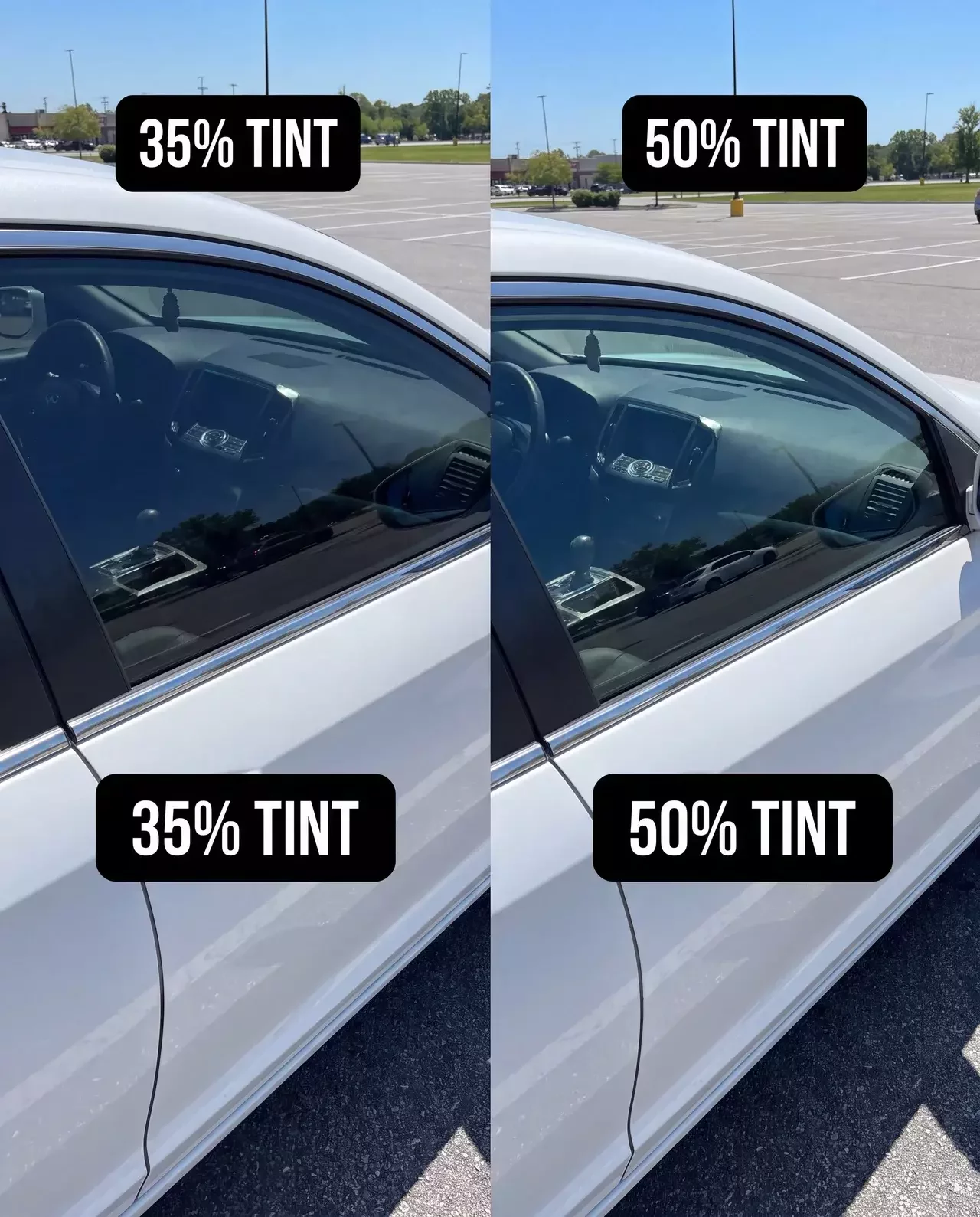
Understanding Window Tint Percentages: 35% vs 50%
Window tint percentages refer to Visible Light Transmission (VLT), which measures the portion of visible light that passes through the film. A 35% tint lets 35% of light in, making it darker than a 50% tint, which allows half of the sunlight to enter. The lower the VLT, the darker the tint, and the more pronounced its privacy and glare-reduction effects. This simple number is key to finding the right balance between shade, appearance, and safety for your drive.
- 35% Tint: Soft charcoal look, significantly reduces glare, and provides enhanced privacy. It’s a popular choice for those seeking a dramatic yet practical tinted style without going overly dark.
- 50% Tint: Light smoke finish, subtle in appearance, prioritizes clarity, and is often preferred by motorists who want UV and heat protection with less effect on day and night visibility.
Car enthusiasts often use a window tint simulator to visualize how these shades look on different vehicle colors and body styles before committing. This helps ensure satisfaction with the final aesthetic and performance of the tint.
Benefits and Limitations: Decoding the Performance of Each Shade
Choosing between 35% and 50% window tint involves more than just a color preference. These shades differ in real-world performance when it comes to comfort and protection:
- Glare Reduction: At 35%, the film blocks more ambient light, notably reducing headlight glare at night and harsh sunlight during the day - a significant benefit for frequent highway drivers or those sensitive to bright conditions.
- Heat Rejection: Both 35% and 50% quality ceramic tints, such as Manta Ceramic C35 and C55, offer excellent UV and infrared heat rejection, keeping interiors cooler and preventing upholstery fade. The 35% tint typically offers 5–15% more heat reduction versus a 50% tint, which can make a big difference in warm climates.
- Visibility and Clarity: The 50% tint maintains a brighter interior and higher outward visibility, especially at dusk and in rainy weather, making it an ideal choice for those who value maximum clarity while still gaining the benefits of tint technology.
- Privacy: 35% creates a noticeable barrier for prying eyes while not being too dark for typical daily driving in most regions. 50% gives only a mild privacy effect but can still obscure valuables from view in a parked vehicle.
Ultimately, your ideal shade depends on your driving habits and how you prioritize privacy, visibility, and cabin comfort throughout the seasons.
Legal Considerations: Staying Within the Law
Before installing 35% or 50% window tint, it’s crucial to check your state’s window tint laws. Each state in the U.S. has its own regulations regarding which windows can be tinted and how dark that tint can be, especially on front driver and passenger doors. Rear windows often allow for darker tints than the front side windows, while windshield tinting is typically restricted to a narrow visor strip along the top.
- In many southern and western states, 35% is the darkest legal limit for front side windows, while 50% is legal almost everywhere in the country.
- Choose 50% tint when you want absolute peace of mind if you travel or relocate, since it keeps your vehicle compliant with nearly all U.S. regulations.
- Medical exemptions are available in certain states, which may allow you to install a darker tint for health-related reasons by qualifying through official channels.
Never rely on generic advice - check your Department of Motor Vehicles (DMV) website or ask your installer for guidance on current tint regulations in your jurisdiction.
Premium Window Tint Options: UPPF vs Leading Brands
Not all window tint films are created equal: the best ceramic and nano-ceramic tints provide performance far superior to traditional dyed or metallic films, especially in clarity, durability, and UV rejection. Premium offerings like UPPF Manta Ceramic Window Tint rival and often exceed the standards set by other U.S. market leaders. Here is a practical comparison:
| Feature | Product Type | Protection Level | Durability | Best Use Case |
|---|---|---|---|---|
| UPPF Manta Ceramic C35/C55 | Nano-Ceramic | High UV & Heat Rejection | Outstanding, non-fading | Luxury & daily drivers seeking top clarity and protection |
| 3M Ceramic IR Series | Ceramic | High UV & Heat Rejection | Excellent, low maintenance | All climates; proven brand loyalty |
| Llumar CTX | Hybrid Nano-Ceramic | Very High UV Protection | Very durable, color-stable | Performance enthusiasts, urban use |
Premium brands share key advantages: total solar energy rejection, virtually invisible heat barriers, and a non-metallic construction that avoids signal interference with your devices. UPPF’s Manta Ceramic Window Tint combines a deep, uniform color with advanced protection on par or better than other luxury-class tints.
Choosing Between 35% and 50% Tint: Expert Recommendations
Selecting between 35% and 50% window tint comes down to your priorities and local regulations. Here’s how professional automotive tint specialists guide clients:
- Consider Your Environment: If you live in a sun-baked region or park your car outside often, 35% offers better glare reduction and noticeable cabin temperature benefits.
- Assess Your Comfort & Security Needs: Privacy- and style-minded drivers may lean toward 35%, while those who prioritize a light, airy feel or frequently drive at night may find 50% more appealing.
- Prioritize Legality: Always cross-check your state’s front and rear window tinting requirements to avoid fines or inspection issues. When in doubt, opt for 50% on the front and a darker option on the rear (if legal).
- Choose a Premium Film: Top-tier ceramic and nano-ceramic tints provide virtually identical UV and IR blockage whether you choose 35% or 50% VLT, so select based on appearance and legality, not just technical data.
- Consult a Specialist: Visit or contact a window film professional or find a UPPF Premiere Dealer near you for a personalized recommendation and viewing samples on your specific vehicle model before installation.
Using a reputable installation partner ensures your film performs as promised, is expertly fitted, and complies with local regulations.
Conclusion: Making the Final Call on 35% vs 50% Window Tint
In the debate of 35% vs 50% window tint, each shade delivers comfort, protection, and elevated style. 35% is the go-to for drivers prioritizing privacy and solar heat rejection, while 50% fits those preferring enhanced visibility and maximum legal flexibility. Your final choice should reflect your lifestyle, state laws, and aesthetic preferences. For lasting results, trust a premium film like UPPF Manta Ceramic for top-tier protection and clarity. To explore more advanced solutions for both window and paint protection, visit the UPPF Product Collections.
Frequently Asked Questions
The main difference is the amount of visible light allowed inside; 35% is darker and offers more privacy and glare reduction than the lighter, brighter 50% tint.
No, while 35% is legal in many states for certain windows, some states require a higher VLT, especially for front windows. Always check local regulations.
50% tint offers better nighttime visibility and may be preferred for those concerned about safe driving in low light conditions.
Yes, generally 35% tint blocks more sunlight and heat, though both can be highly effective if you choose a quality ceramic film.
Yes, many vehicle owners choose a lighter legal tint in the front and a darker shade on the rear, provided it meets all legal requirements for your state.
Some states allow medical exemptions for individuals who need darker tint due to health reasons. Approval typically requires documentation from a physician.
No, premium ceramic tints like UPPF Manta typically have a more uniform color, less haze, and do not interfere with GPS or electronics like some standard films.