
Choosing between 20% and 50% window tint is a major decision for car owners seeking both style and protection. This comprehensive guide will clarify the true differences between 20% vs 50% window tint, covering their advantages, legal considerations in the United States, real-world performance, and how UPPF's Manta Films stack up against other premium brands. Whether you want a sleek dark look or subtle sun reduction, understanding these popular tint levels will help you select the optimal protection for your vehicle.
Understanding Window Tint Percentages: What Do 20% and 50% Mean?
Before deciding between 20% vs 50% window tint, it is essential to understand what these numbers mean in practical terms. Window tint percentages refer to the amount of visible light transmission (VLT) allowed through the film. A lower number means a darker tint, as it lets less light pass through. For example, a 20% tint only allows 20% of visible light to enter, while a 50% tint allows 50% of visible light through the window.
- 20% Tint: Produces a noticeably dark appearance, offering strong privacy and a dramatic aesthetic. It blocks more sunlight, which can reduce glare and the interior heat buildup on sunny days.
- 50% Tint: Appears much lighter, providing a subtle shading effect. It reduces glare and some heat but maintains a more natural look from both inside and outside the vehicle.
The VLT figure is fundamental when considering both function and style. Lower VLTs like 20% are favored for privacy and a bolder look, but may not be ideal or legal for all situations. Meanwhile, higher VLTs such as 50% provide comfort and modest protection while keeping visibility at a maximum, especially beneficial for night driving and safety.
Legal Rules for 20% and 50% Tints Across the United States
Car owners must check local laws before installing any window tint. Each U.S. state determines the legal limits for the VLT on vehicle windows. Generally, 20% window tint is considered very dark and is often only legal on rear side and back windows, not on the front driver and passenger windows. In contrast, 50% window tint is approved for more window positions in several states, including the front side windows.
- Many states limit front-side window tint darkness to 35% or above, making 20% illegal for these windows in most cases.
- A 50% tint is typically within the legal range for both front and rear side windows in many regions.
- Rear windows (behind the driver) and the rear windshield often allow for much darker tints, including 20%, but requirements and enforcement vary.
- Windshield tint in any darkness is heavily restricted; most states allow only a strip at the top or prescribe tint minimums of 70% VLT or lighter for the main area.
Medical exemptions are available in some states for those with documented light sensitivity, but these are never automatic and require formal approval. Always consult your state's Department of Motor Vehicles (DMV) or equivalent authority for the latest regulations before having new tint installed.
20% vs 50% Window Tint: Visual Impact, Comfort, and Performance
Selecting the right tint level goes beyond looks. The real-world benefits of 20% vs 50% window tint include privacy, heat rejection, driving comfort, and safety. Let's compare their functional impact to help clarify which is best for your needs:
- Privacy: 20% tint substantially reduces interior visibility from the outside - ideal for personal security and protecting valuables. 50% tint offers some shading, but objects and passengers remain more visible.
- Glare Reduction: Both levels cut glare, but 20% provides the most extensive glare shielding, especially during bright daylight or when driving into direct sunlight.
- Interior Heat Control: Darker tints can block more solar energy, keeping your car cooler in summer. However, the film material—especially advanced ceramic types like UPPF’s Manta line - can sometimes compensate for a higher VLT by using high-tech coatings for superior heat rejection at lighter shades.
- Night Driving Visibility: 50% tint offers greater outward visibility, making it a safer choice for those who frequently drive at night or in poor conditions. With 20% tint on side or rear windows, you may notice more challenging visibility when reversing or parking after dark.
- Style and Appearance: 20% tint achieves a sleek, custom feel with dramatic contrast between the body and glass. 50% tint retains a near-factory look, providing a hint of sophistication without being too bold.
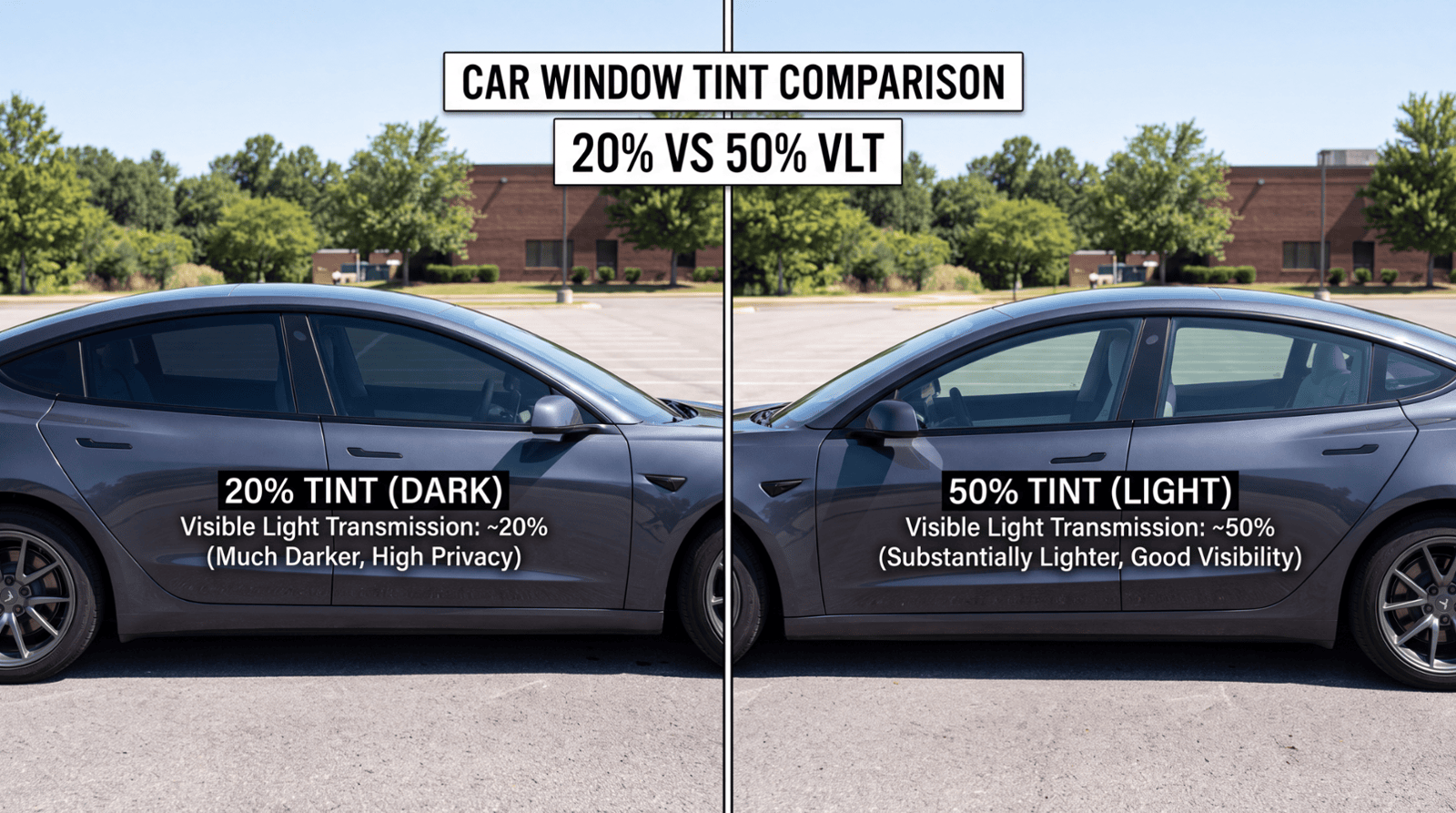
For those who want to preview the actual effect, UPPF’s Window Tint Simulator can be a valuable tool.
Comparing Top Brands: UPPF Manta vs Leading Ceramic Window Tints
Modern ceramic window tints, including UPPF’s Manta Films, offer advanced technology that maximizes UV and heat rejection without requiring extremely dark shades. Comparing UPPF with two leading American market competitors helps highlight what sets premium tints apart.
| Feature | Product Type | Protection Level | Durability | Best Use Case |
|---|---|---|---|---|
| UPPF Manta Ceramic (C20/C55) | Nano-Ceramic | Blocks up to 99% UV, major heat rejection even in 50% VLT | Highly scratch-resistant, color stable | Owners wanting luxury-grade comfort, legal compliance, and longevity |
| 3M Crystalline | Multi-layer Optical | Exceptional heat and UV rejection at lighter shades | High durability, non-metallic construction | Drivers who want excellent performance with nearly clear appearance |
| XPEL PRIME XR Plus | Nano-Ceramic | Blocks over 99% UV, strong IR heat rejection | Long-lasting, signal-friendly | Tech-focused buyers, balance of visibility and heat control |
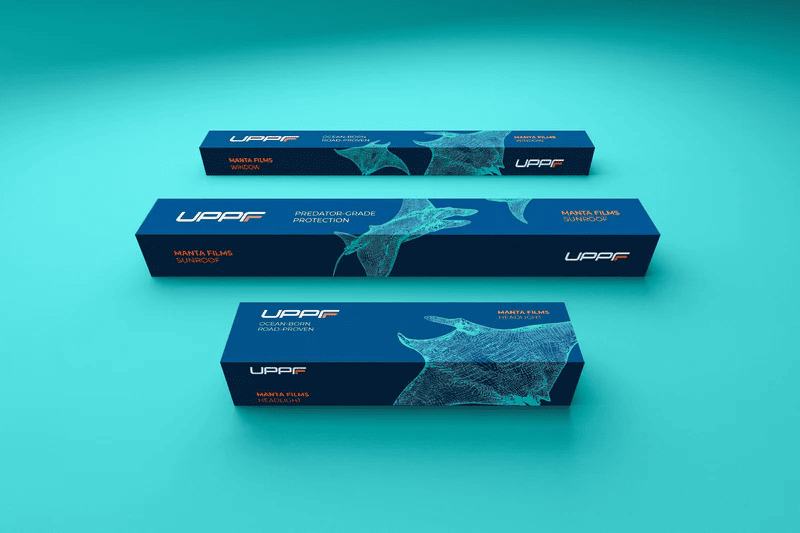
UPPF’s Manta Ceramic films, available in both C20 (20% VLT) and C55 (55% VLT) options, combine premium appearance with ceramic technology that filters solar heat and UV rays even at lighter percentages. There is little trade-off between comfort and clarity, especially compared to older dyed or metallic tints, making them ideal for car owners who want modern protection and a refined look. Explore the full Manta Ceramic Window Tint product line to find the exact VLT to match your local legal requirements and style preferences.
How to Select the Right Tint for Your Vehicle
Choosing between 20% and 50% window tint requires balancing multiple factors. Use this step-by-step thought process to simplify your decision:
- Check your local tint laws to ensure your options are compliant before scheduling installation.
- Decide your primary goal: is privacy or a darker look most important, or do you prioritize a lighter, legal, factory-style finish?
- Factor in your driving habits. Night drivers may prefer lighter tints; those in hot, sunny climates may benefit from a darker shade or advanced nano-ceramic films for maximum heat rejection.
- Discuss options with a professional. Premium dealers like UPPF’s Premiere network can recommend the optimal product and VLT for your budget, vehicle, and location.
Remember, the “right” tint is both legal and tailored to your comfort, appearance, and vehicle protection needs. For long-term peace of mind, rely on reputable brands and professional installation to avoid bubbling, peeling, or premature fading.
To explore more options across premium paint and interior protection, browse the UPPF Product Collections.
Conclusion: 20% vs 50% Window Tint - Which is Right for You?
When comparing 20% vs 50% window tint, your choice affects not just aesthetics but also legality, comfort, and safety. Darker tints like 20% are perfect for those prioritizing privacy and bold style, but often face stricter legal boundaries. A 50% tint offers a practical solution for drivers seeking everyday comfort, subtlety, and legal peace of mind. Top-tier ceramic films like UPPF’s Manta Series redefine what is possible at any VLT, letting you achieve outstanding heat and UV health protection even with lighter shades. For the best results and compliance, always check your state laws and work with a trusted professional for installation.
Frequently Asked Questions
No, 20% tint is typically too dark for front side windows in most U.S. states; check your local laws for specific limits.
This varies by state; many set the legal limit for front windows at 35% VLT or lighter, but rear windows often allow darker tints.
Some states offer medical exemptions for individuals with certain health conditions - documentation and formal approval are required.
Yes, lower percentages like 20% can make it harder to see outside at night compared to 50% tints, especially when backing up or parking.
With modern nano-ceramic films, 50% tint can still provide excellent heat and UV rejection while maintaining outward visibility.
Quality ceramic and non-metallic tints like those from UPPF do not interfere with electronic signals.
Use digital simulators such as the one on UPPF’s site or consult a professional dealer for in-person film samples.
Enforcement can include fines, removal orders, or failed vehicle inspections, depending on your state’s laws.