
What Does 35 Tint Look Like? Window Tint 35 in the Day and at Night?

If you are trying to decide between tint shades, window tint 35 is one of the most popular choices for a reason. It looks noticeably tinted in the daytime, it still feels comfortable at night, and it gives your car a clean, upgraded look without going fully dark.


This guide breaks down what 35 tint looks like day and night, how visibility changes after sunset, and what factors make 35 percent tint look darker or lighter in real life.
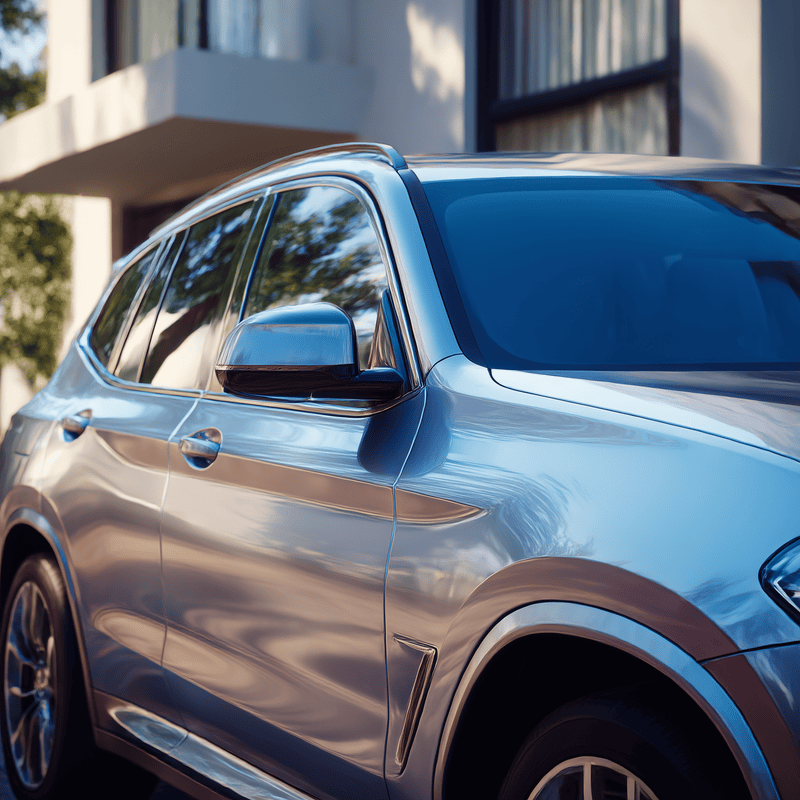

ceramic window tint

What does 35 tint mean?

35 tint means 35 percent VLT, visible light transmission. That is the percentage of light allowed to pass through the glass and film combined. A 35 percent tint allows 35 percent of visible light through, and blocks the rest. 


In general, lower VLT looks darker. For example, 5 percent is often called limo tint and looks extremely dark, while 70 percent looks very light. 

What does 35 tint look like during the day?

In the day, 35 tint looks like a medium dark smoke. It is clearly tinted, but it usually does not look like a blackout setup.

What you will notice in daylight

 From the outside, you get a sleek medium dark look. People may still see outlines inside from close range, especially in direct sun
 From the inside, visibility stays clear, with noticeably less glare
 Privacy improves, but it is not full privacy like 20 percent or 5 percent

If your interior is black or your vehicle already has slightly darker factory glass, 35 tint can look darker than expected.

What does 35 tint look like at night?

At night, every tint looks lighter from the outside because there is less light to block. With 35 tint, the cabin is still shaded, but it will not look as dark as it does in the day, especially when your interior lights are on.

From the driver seat, 35 percent tint is widely considered a practical option for night driving because it reduces light only moderately compared to darker shades. 


What you notice at night:

 Streetlights and headlights remain easy to see, but the glass will not feel as bright as untinted windows 
 Backing up and tight parking is usually fine, but poorly lit areas will feel slightly dimmer
 Your mirrors matter, good mirrors and clean glass make a big difference at night

Does 35 tint affect visibility at night?

Yes, slightly. Any tint reduces available light compared to clear glass. 

The reason 35 tint stays popular is that it usually lands in a comfortable zone where you get style and glare reduction without the heavy night penalty that comes with 20 percent or 5 percent.

If night visibility is your top priority, film quality matters as much as shade. A premium ceramic film typically looks clearer than low grade dyed film at the same VLT.

Can you see through 35 tint?

Most of the time, yes. In daylight, many people can still see into the cabin at close range, especially through the windshield area or when the sun is behind them. At night, interior lighting can make it easier to see in.


If your goal is strong privacy, 35 percent tint is not the max privacy choice. It is the balanced choice.

Why 35 tint can look different on different cars

Window tint 35 can look darker or lighter depending on:


♦ Interior color
Dark interiors make tint look darker from the outside

♦ Factory glass
Some vehicles already have factory tinted glass on rear windows, layering film can make it look darker than expected

♦ Weather and lighting
Overcast days often make tint look darker, bright sun can make it look lighter but more reflective

Film type
Ceramic films usually provide better clarity and heat performance than basic dyed films, even when both are 35 percent

35 tint vs 20 tint vs 5 percent tint

If you are stuck between shades, this is the simplest way to choose:


 35 percent tint
Medium dark look, good day style, night friendly, balanced privacy

♦ 20 percent tint
Dark look, stronger privacy, noticeably tougher at night on unlit roads

 5 percent tint
Very dark, maximum privacy look, biggest night visibility tradeoff, commonly called limo tint 

Is 35 tint legal?

Tint laws vary by state and by window position. In many places, 35 percent is commonly allowed on front side windows, but not everywhere. To ensure you meet your state or where you live requirements, check the full window tint guide by states here: Window tint laws by states

For Texas citizens:
Learn more in our Texas tint law guide: Texas legal tint percentages and rules.

Recommended choices for 35 tint setups

Here are the most popular combinations customers ask for:

Option 1
35 percent on front windows, darker on rear windows for privacy

Option 2
35 percent all around for a uniform clean look

Option 3
35 percent sides, plus a legal windshield strip for glare control

If heat reduction is the main reason you are tinting, pair legal VLT with a quality ceramic film. You will get strong comfort without needing extreme darkness. Explore Manta Ceramic Window Film, top ceramic window film for heat and UV rejection with clear visibility.

UPPF Manta ceramic window tint

Window Tint Common FAQs

Is 35 tint dark?

It is medium dark. It looks clearly tinted in the day, and it stays more comfortable at night than darker shades.

What does 35 tint look like day and night?

In the day it looks like a sleek medium smoke. At night it looks lighter from the outside, and visibility stays practical from the inside.

Does 35 tint affect visibility at night?

A little, yes. Any tint reduces light compared to clear glass, but 35 percent is considered a balanced option for night driving.

Ceramic 35 tint vs dyed 35 tint, what is the difference?

Same shade can look clearer with ceramic. Ceramic typically offers better heat rejection and cleaner visibility, especially at night.

Explore Manta Ceramic Window Film
Share -