
When it comes to protecting your car’s paint, two of the most popular options are PPF vs Ceramic Coating. While both protect your vehicle’s appearance, they work in very different ways. In this guide, we’ll explain what each does, compare their benefits, and answer common questions like “Which is better?”, “What are the negatives of PPF?”, and “Should I do PPF or Ceramic first?”.
Table Of Content:
1. What is Paint Protection Film (PPF)?
3. PPF vs Ceramic Coating: Key Differences
4. Which is Better: Ceramic Coating or PPF?
5. What Are The Negatives of PPF?
What is Paint Protection Film (PPF)?
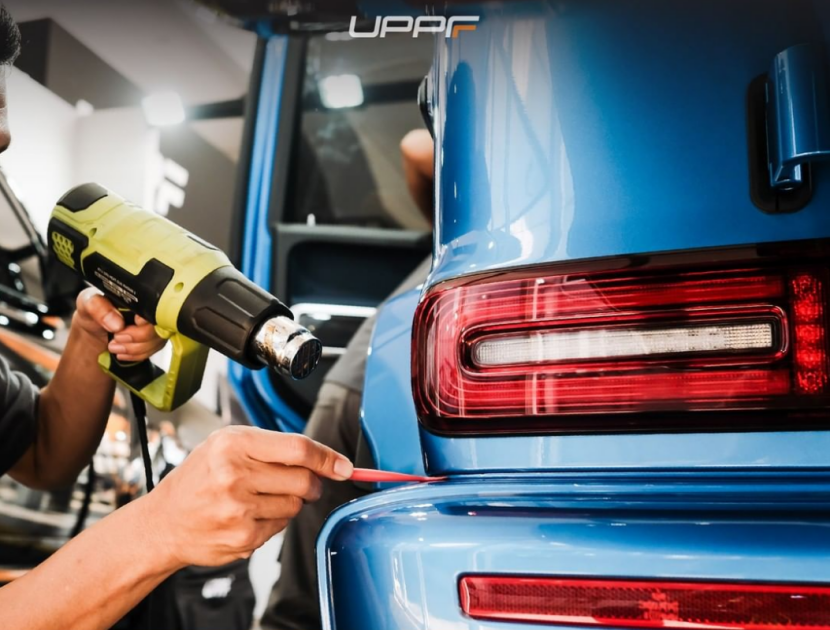
Paint Protection Film (PPF) is a polyurethane film applied to painted surfaces. It creates a physical shield that protects against rock chips, scratches, bug splatter, and road debris. Premium films like UPPF Cobia Color PPF and UPPF Hammerhead Clear PPF also feature PLATICOAT™ self-healing technology, so minor scratches disappear with heat.
PPF is ideal for high-impact areas such as bumpers, hoods, side skirts, and mirrors where physical damage is most likely.
What is Ceramic Coating?
Ceramic Coating is a liquid polymer that bonds with your car’s clear coat. Unlike PPF, it doesn’t absorb impacts, but it provides:
🔹UV protection to prevent fading and oxidation
🔹A glossy, mirror-like finish
🔹Hydrophobic properties that repel water and dirt
🔹Resistance to chemical stains and oxidation
Think of Ceramic Coating as a cosmetic enhancer and maintenance helper. It keeps your car shiny and easy to clean but does not stop rock chips.
PPF vs Ceramic Coating: Key Differences
Feature | Paint Protection Film (PPF) | Ceramic Coating |
Protection | Shields against rock chips, scratches, and road debris | Protects against UV rays, oxidation, water spots |
Thickness | 8–10 mils (impact-resistant barrier) | Microscopic layer measured in microns |
Appearance | Clear, colored, or textured finishes like Fibergloss Carbon Fiber PPF | Enhances gloss, deepens paint color |
Durability | 7–10 years | 2–5 years |
Cost | Higher investment due to film and labor | Lower initial cost |
Best Use | Physical protection in high-impact zones | Shine and easy cleaning |
Which is Better: Ceramic Coating or PPF?
If your priority is maximum protection against scratches and chips, PPF is better. It acts as a true barrier and is the best choice for long-term durability.
If your main goal is a deep gloss and easier maintenance, Ceramic Coating is the better option. It won’t protect against rock chips but will keep your car looking shiny and easier to wash.
For the best results, many car owners use both: PPF for protection in high-risk areas, topped with Ceramic Coating for extra gloss effect.
What Are the Negatives of PPF?
While PPF is the strongest defense for your car’s paint, there are a few drawbacks:
🔹Higher Cost – PPF installation is more expensive than Ceramic Coating.
🔹Visible Edges – Depending on installation, edges may be slightly noticeable.
🔹Limited Coverage Without Full Wrap – If only applied to certain panels, unprotected areas are still vulnerable.
🔹Maintenance – Though durable, PPF requires proper washing to avoid premature wear.
That said, premium films like UPPF Paint Protection Films minimize these negatives with advanced clarity and self-healing technology.
Should I Do PPF or Ceramic Coating First?
If you’re planning to install both, always do PPF first. The film must bond directly to the paint, and then the Ceramic Coating can be applied on top to enhance gloss and make cleaning easier.
Applying Ceramic first would prevent PPF from sticking properly, so the correct order is:
1. PPF installation on high-impact areas or full body.
2. Ceramic Coating application on top of the PPF for added shine and protection.
Final Thoughts on PPF vs Ceramic Coating
Both Paint Protection Film and Ceramic Coating are excellent car care solutions, but they serve different purposes.
🔹PPF = Impact protection
🔹Ceramic Coating = Gloss and ease of maintenance
For the best of both worlds, protect your vehicle with UPPF Clear or Color PPF first, then finish with Ceramic Coating for unmatched gloss and convenience.
When comparing PPF vs Ceramic Coating, remember: one is a shield, the other is a shine enhancer. Together, they give your car the ultimate Power of Protection.